 Ali Asghar
 QUICK ANSWER
The best espresso machines for beginners overall is the Breville Bambino Plus (about $499.95, often on sale for $399–$450), thanks to its 3-second heat-up and genuinely effective automatic milk frother. If you’d rather have the grinder built in, the Breville Barista Express Impress (about $649–$799) automates dosing and tamping, the two hardest skills for a new home barista. On a tighter budget, the De’Longhi Stilosa (about $150) is the simplest true espresso machine to learn on.
Introduction
Buying your first espresso machine is where most people either fall in love with home espresso or give up on it within a month. The difference almost never comes down to how much the machine cost it comes down to whether the machine was actually forgiving enough to learn on.
This guide is built specifically around that question. Instead of ranking machines purely on shot quality or feature count, every pick here was evaluated on how quickly a total beginner can go from unboxing to a genuinely good cup, how much the machine forgives early mistakes, and how much ongoing frustration it saves during the learning curve every new home barista goes through.
You’ll get five clearly ranked picks spanning $150 to $900, an honest answer to whether you actually need a built-in grinder as a beginner, a plain-language explainer on semi-automatic versus fully automatic machines, and a first-week walkthrough so your new machine doesn’t sit half-used on the counter by week three.
What Makes an Espresso Machine “Beginner-Friendly”?
A beginner-friendly espresso machine minimizes the number of variables you have to get right at once. Real espresso has a genuinely steep learning curve grind size, dose, tamp pressure, and extraction time all interact, and getting one wrong can throw off an otherwise perfect shot. The machines that work best for beginners don’t remove that learning process entirely; they remove one or two of the hardest variables so you can focus on the rest.
- Fast, stable heat-up: A machine that takes 15 minutes to reach temperature adds friction to every single session and makes it easy to skip days fast-heating designs like Breville’s ThermoJet remove that excuse entirely.
- Forgiving baskets: Pressurized or dual-wall portafilter baskets tolerate an imperfect grind size, which matters enormously in the first few weeks before your palate and technique catch up to your equipment.
- Milk automation: An automatic or semi-automatic steam wand shortens the learning curve for lattes and cappuccinos, which is often the whole reason someone buys a home machine in the first place.
- Clear feedback: Machines with a visible pressure gauge, guided touchscreen, or app-based grind guidance help a beginner understand why a shot went wrong instead of just knowing that it did.
What doesn’t make a machine beginner-friendly is simply being cheap, or simply being fully automatic. A bad cheap machine teaches you nothing but frustration, and a push-button super-automatic can remove so much of the process that you never actually learn what’s happening in the cup which matters if you ever want to upgrade later.
How We Evaluated These Machines
Each machine was assessed on five criteria: how quickly a first-time user can produce a genuinely good shot, how forgiving the design is of common beginner mistakes, verified current pricing across major retailers, milk-frothing capability and ease of use, and long-term reliability and community reputation drawn from owner forums and technician feedback rather than first-week impressions. Prices for home espresso equipment shift often with sales and retailer promotions, so treat every figure in this guide as a reference point and confirm current pricing before buying.
The 5 Best Espresso Machines for Beginners
1. Best Overall: Breville Bambino Plus
The Bambino Plus is the machine specialty coffee shops most often recommend to friends buying their first machine, and the consensus is well earned. Breville’s ThermoJet heating system reaches brew temperature in about three seconds, so there’s no waiting around that makes it easy to skip a session. Its automatic steam wand is the real standout for beginners it texture-steams milk to a set temperature and stops on its own, which removes the single hardest manual skill in espresso-making without removing your ability to switch to manual control once you’re ready.If you are looking for the best espresso machine under 500, the Bambino Plus delivers near-commercial quality at a sub-$500 price point without requiring high-end barista experience.
- Features: ThermoJet fast heat-up, automatic and manual milk texturing, digital temperature control, both pressurized and non-pressurized baskets included
- Price: $499.95 MSRP, frequently discounted to around $399–$450
- Pros: Fastest realistic path from unboxing to good espresso, genuinely effective auto-steam wand, small footprint, ships with a basket you can grow into
- Cons: No built-in grinder, small water tank means frequent refills, included tamper is more decorative than functional
- Best for: Beginners who want café-style lattes and cappuccinos with the least possible friction
2. Best All-in-One (Built-In Grinder): Breville Barista Express Impress
The Impress automates the two steps that trip up almost every new home barista: dosing and tamping. Its Precision Puck Preparation system doses, levels, and tamps the grounds automatically to a consistent 30 pounds of pressure, so a beginner’s very first shot is tamped as evenly as shot number five hundred. You still control grind size, brew temperature, and extraction timing, which keeps you learning the parts of espresso that actually matter for improving your palate.
- Features: Built-in conical burr grinder, assisted/automatic tamping, PID temperature control, manual steam wand, low-pressure pre-infusion
- Price: $799.95 MSRP, widely available for $649–$699
- Pros: Removes the hardest beginner skill (tamping) without removing manual control, one countertop appliance instead of two, strong grinder for the price
- Cons: Highest price in this guide, large footprint, still requires learning manual steam-wand technique
- Best for: Beginners who don’t want to shop for and learn a separate grinder on top of the machine itself
3. Best Value for Money: Gevi 20 Bar 2-in-1 Espresso Machine
Gevi’s 20-bar machine punches well above its price by including a working milk frother wand, a removable 1.2-liter water tank, and fast heating in a compact body, typically priced in the $130 range. It’s the machine to buy if you want to find out whether home espresso is a habit worth investing more in before committing several hundred dollars to the hobby.
- Features: 20-bar pump, foaming milk frother wand, 1.2L removable water tank, fast heating
- Price: Around $129.99
- Pros: Lowest realistic entry price with a working frother included, easy setup, compact design
- Cons: More plastic in the build than Breville or De’Longhi, shorter reliability track record, basic pressurized basket only
- Best for: First-timers testing the waters before a bigger investment
4. Premium Choice: Breville Barista Touch
The Barista Touch is built for a beginner who wants to skip the trial-and-error entirely and is willing to pay for it. A 3.5-inch touchscreen walks you through custom drink settings by name flat white, cappuccino, latte and automates milk texturing to match, while a built-in grinder handles dosing. It’s a genuine step up in price, but it compresses the beginner learning curve further than any other machine in this guide without going fully automatic.
- Features: Touchscreen guided drink profiles, built-in grinder, automatic milk texturing, ThermoJet heating, customizable and savable drink settings
- Price: Around $799.95–$879.95, frequently discounted toward $700–$800
- Pros: Most guided experience in this guide, consistently repeatable drinks once profiles are saved, genuinely fast workflow for milk drinks
- Cons: Highest price tier here, large footprint, less hands-on learning than the Barista Express Impress for someone who wants to develop real technique
- Best for: Beginners who want café-quality drinks fast and are comfortable paying a premium for guided automation
5. Budget-Friendly Choice: De’Longhi Stilosa (EC260BK)
The Stilosa strips espresso down to the essentials: a 15-bar pump, a stainless-steel boiler, and a straightforward manual steam wand, with nothing to configure and very little that can go wrong. At around $150, it’s the cheapest genuinely capable way to learn real espresso technique, and it leaves budget left over for a proper grinder, which matters more to shot quality than any machine upgrade at this price tier would.
- Features: 15-bar Italian pump, manual steam wand, tamper included, compact all-metal build
- Price: Around $149.95
- Pros: Lowest price of any machine in this guide, simple and forgiving for a genuine first machine, small counter footprint
- Cons: No digital temperature control or milk automation, steam wand takes real practice, pressurized basket only
- Best for: Beginners on a tight budget who are willing to learn manual steaming from the start
Other Options Worth Considering
These didn’t crack the top five, but they’re worth knowing about depending on your priorities.
De’Longhi Rivelia
For beginners who’d rather skip manual technique entirely, the Rivelia is a fully automatic bean-to-cup machine with 18 pre-programmed drink recipes at the touch of one button. It’s the right call if convenience matters more than learning the craft, but it removes nearly all the hands-on skill-building the other machines in this guide are designed to teach.
Rancilio Silvia Pro X
Not a true beginner machine on price or complexity, but worth knowing about as a “grow into it” option a dual-boiler prosumer machine with an active modding community that many home baristas eventually upgrade to after outgrowing an entry-level model. If you’re already certain espresso will become a long-term hobby, it’s worth researching even before your first purchase.
Do Beginners Need a Machine With a Built-In Grinder?
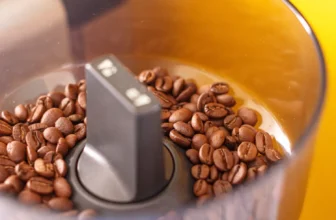
Not necessarily but you need a grinder from day one either way. Pre-ground coffee goes stale within days and can’t be dialed to the fine, consistent particle size espresso extraction requires, so a $500 machine fed pre-ground coffee will underperform a $150 machine paired with a real burr grinder. The real decision is whether that grinder is built into the machine or bought separately.
- Built-in grinder (Barista Express Impress, Barista Touch): One appliance, less counter space, and one less thing to shop for and calibrate separately the trade-off is a higher upfront price and a grinder you can’t upgrade independently later.
- Separate grinder (paired with Bambino Plus, Stilosa, or Gevi): More flexibility to upgrade the grinder alone as your palate develops, often better grind quality per dollar at the entry level, but it’s a second product to research and a second learning curve.
If counter space and simplicity matter most, an all-in-one machine is the easier starting point. If you already know you’ll want to upgrade equipment over time, buying the machine and grinder separately gives you more room to grow without replacing the whole setup.
Full Comparison Table
| Machine | Built-In Grinder | Milk System | Best For | Amazon Price |
| Breville Bambino Plus | No | Automatic steam wand | Best overall for beginners | Check Price |
| Breville Barista Express Impress | Yes | Manual steam wand | Best all-in-one with grinder | Check Price |
| Gevi 20 Bar 2-in-1 | No | Auto-style frother wand | Best value for money | Check Price |
| Breville Barista Touch | Yes | Automatic, touchscreen guided | Most guided/premium experience | Check Price |
| De’Longhi Stilosa | No | Manual steam wand | Budget-friendly starting point | Check Price |
| De’Longhi Rivelia | Yes (bean-to-cup) | Fully automatic | Zero-technique convenience | Check Price |
| Rancilio Silvia Pro X | No | Manual steam wand | Growing into the hobby | Check Price |
Semi-Automatic vs Automatic vs Manual: Which Should a Beginner Buy?
Every machine in this guide falls into one of three categories, and the category matters more to your day-to-day experience than almost any individual spec.
Semi-Automatic Machines
Semi-automatic machines (the Bambino Plus, Stilosa, Gevi, and Barista Express Impress all fall here) automate the pump and boiler but leave grind size, dose, and extraction timing in your hands, with tamping automated on the Impress. This is the category most specialty coffee people recommend for beginners, because you’re still learning real technique while the machine handles the parts that don’t teach you anything like maintaining consistent water pressure.
Fully Automatic / Bean-to-Cup Machines
Fully automatic machines like the De’Longhi Rivelia grind, dose, brew, and often texture milk at the press of one button. They’re the easiest category to use from day one, but they remove most of the hands-on learning you won’t develop a feel for grind size or extraction timing, which matters if you think you’ll want more control later.
Manual Lever Machines
Manual lever machines control brew pressure entirely by hand, with no pump or boiler electronics involved. They have the steepest learning curve of the three categories, but many enthusiasts find the shot quality ceiling is actually higher once technique develops. They’re a better second machine than a first one for most beginners.
For most people starting out, semi-automatic is the right category: it teaches real skills, forgives early mistakes better than a fully manual setup, and doesn’t lock you into push-button convenience before you know what kind of home barista you want to become.
How to Choose the Right Machine for You
If you drink mostly milk-based drinks
Prioritize automatic milk texturing over a manual wand you’ll have to practice the Bambino Plus and Barista Touch both remove the hardest beginner skill so you can enjoy consistent lattes and cappuccinos from day one.
If you drink mostly straight espresso or Americanos
Milk performance matters far less than shot consistency and grind quality. Put your budget toward the Barista Express Impress’s built-in grinder or toward pairing the Stilosa with a separate quality grinder, rather than paying for milk automation you won’t use.
If this is a trial run to see if home espresso sticks
Start at the bottom of the price range with the Gevi 20 Bar or De’Longhi Stilosa. If you’re still pulling shots daily in a few months, you’ll know exactly what to upgrade first usually the grinder, then the machine.
If counter space and simplicity matter most
An all-in-one machine with a built-in grinder, like the Barista Express Impress or Barista Touch, means one appliance and one manual to read instead of two separate products to research, calibrate, and maintain.
Step-by-Step: Your First Week With a New Espresso Machine
- Day 1: Run the machine through two or three cycles of plain water with no coffee, following the manufacturer’s first-use instructions, to clear any manufacturing residue from the internal lines.
- Day 1: Pull your first shot using a mid-range grind setting rather than guessing at the extremes, and don’t judge the result yet your first few shots are about learning the machine’s rhythm, not producing a perfect cup.
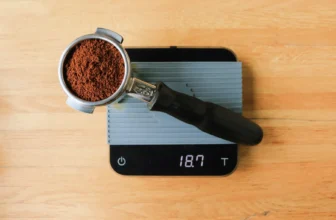
- Days 2–3: Weigh your dose and time your extraction. Aim for roughly 18 grams in, 36 grams out, over 25 to 30 seconds for a standard double shot write down what you used so you can repeat or adjust it deliberately.
- Days 2–3: Adjust grind size one notch at a time based on the previous result. Shot too fast and thin-tasting means grind finer; shot too slow and bitter means grind coarser. Never change grind and dose in the same test.
- Days 4–5: If your machine has a steam wand, practice on plain milk in a spare container before worrying about pouring latte art texture first, presentation later.
- Days 6–7: Once your shots are consistent, start experimenting with a second bag of beans from a different roaster. Every new bean needs its own grind adjustment, and getting comfortable with that process is the real skill that separates a confident home barista from someone who got lucky once.
Expert Tips
- Preheat your cup with hot water while the shot pulls a cold cup drops shot temperature fast enough to flatten the flavor, especially on smaller single-boiler machines.
- Buy whole beans roasted within the last two to three weeks rather than whatever has the longest shelf life on the shelf freshness affects your results more than almost any machine upgrade would.
- Change only one variable at a time when troubleshooting a shot. Adjusting grind size and dose together makes it impossible to know which change actually fixed or broke the result.
- If your machine has a single boiler, pull your espresso shot before steaming milk, not after going straight from steam temperature to brew temperature without a cooldown step produces a burnt-tasting shot.
- Watch a few short videos on “dialing in” espresso before assuming a disappointing shot means your machine is faulty nearly every early bad shot is a technique or grind issue, not a hardware problem.
- Even on machines with automated tamping or dosing, learn what the shot should look like as it pours a thin, fast stream or a near-stopped drip tells you what to adjust even when a machine is doing most of the work.
Common Mistakes Beginners Make
- Buying pre-ground coffee to save money or skip the grinder decision. It’s the single biggest quality killer for a new machine, regardless of price grounds go stale within days and can’t hit the fine, consistent particle size espresso needs.
- Judging the machine after one bad shot. Almost every first shot on a new machine is off simply because the grind hasn’t been dialed in yet for that specific bean it’s a process issue, not a verdict on the equipment.
- Changing multiple variables at once. Adjusting grind size, dose, and tamp pressure in the same test makes it impossible to learn what actually caused a good or bad result.
- Skipping the manual on steam wand technique. A weak or scalded milk texture is almost always a technique issue rather than a hardware limitation, even on entry-level machines.
- Ignoring descaling from the start: Mineral buildup is the #1 killer of entry-level boilers. Knowing how to descale an espresso machine using a dedicated citric acid or commercial descaling solution every 2–3 months prevents pressure loss, temperature drops, and pump noise.
- Assuming a fully automatic machine is automatically “easier” long-term. It’s easier day one, but it teaches you nothing about grind size or extraction if you think you’ll want to improve your technique over time, a semi-automatic machine is the better teacher.
Frequently Asked Questions
Is Breville better than De’Longhi?
Breville is generally better for beginners who want automated milk texturing, fast heating, and high-end built-in features, while De’Longhi excels at simple, budget-friendly entry points under $200.
Is De’Longhi better than Breville?
De’Longhi is better if you have a tight budget or limited counter space. Models like the De’Longhi Stilosa offer reliable performance for beginners, whereas Breville delivers higher shot consistency at higher price points.
Are Breville and De’Longhi the same company?
No, Breville is an Australian kitchen appliance brand, while De’Longhi is a major Italian manufacturer. Both operate completely independently.
What is the easiest espresso maker to use at home?
The Breville Bambino Plus is widely considered the easiest espresso machine to use at home due to its 3-second heat-up time and automatic hands-free milk texturing system.
Is Breville considered a high-end espresso machine brand?
Breville is considered a premium consumer and prosumer brand. While not a commercial-grade machine, its dual-boiler models and Barista series offer high-end performance for home baristas.
Final Verdict
If you only take one recommendation from this guide, make it this: the Breville Bambino Plus is the strongest starting point for most beginners, thanks to its fast heat-up and automatic steam wand that genuinely removes the hardest early skill. If you’d rather have everything in one appliance, the Breville Barista Express Impress automates dosing and tamping too, at a meaningfully higher price. And if you’re not ready to commit real money to the hobby yet, the De’Longhi Stilosa or Gevi 20 Bar will get you real, learnable espresso for well under $200.
Whichever machine you choose, remember that a bad first shot is almost always about grind size and dialing in, not a defective machine give yourself the same first week this guide walks through, and pair whatever you buy with a real burr grinder. That combination will improve your coffee more than any single feature on the spec sheet.