 Ali Asghar
 Quick Answer
The Gaggia Classic Pro remains the gold standard entry-level manual espresso machine for home baristas who prioritize industrial build quality, a commercial 58mm portafilter, and long-term repairability. While it requires a learning curve and temperature surfing compared to thermoblock machines like the Breville Bambino Plus, its commercial-grade components deliver authentic cafe-quality espresso that easily justifies its sub-$500 price point.
Introduction: The Legacy of the Gaggia Classic Pro
Finding an espresso machine under $500–$600 that delivers genuine commercial-grade performance is no easy task. Most consumer espresso machines rely on plastic components, pressurized baskets, and automated thermoblocks that restrict control over the extraction process.
The Gaggia Classic Pro breaks away from modern appliance trends by prioritizing heavy-duty mechanical reliability over automated shortcuts. Built in Italy, this machine features a true commercial 58mm group head, a solenoid valve system, and a robust commercial steam wand.
Whether you are stepping into manual espresso for the first time or seeking a durable machine that can be modified into a high-end pressure-profiling beast, the Gaggia Classic Pro offers a unique foundation. In this review, we examine its design, extraction capabilities, steaming power, maintenance requirements, and overall value.
Key Features and Technical Specifications
Technical Overview
The Gaggia Classic Pro packs high-grade commercial espresso hardware into a compact countertop footprint. Unlike home appliances that rely on proprietary sizes, Gaggia utilizes industry-standard components that allow for universal accessory compatibility. f you are looking to compare semi-automatic models against standard automatic or capsule setups, check out our master guide on the Best Espresso Machines for Home 2026 to see how entry-level commercial builds fit into your overall kitchen setup.
| Feature / Specification | Gaggia Classic Pro Details |
| Origin | Designed and Manufactured in Italy |
| Boiler Type | Anodized Aluminum Single Boiler (3.5 oz capacity) |
| Portafilter Size | 58mm Commercial Chrome-Plated Brass |
| Pump Pressure | 15 Bar Italian Vibration Pump (9-Bar OPV on EVO models) |
| 3-Way Solenoid Valve | Yes (Commercial Grade) |
| Steam Wand | Commercial Two-Hole Stainless Steel Steam Wand |
| Body Construction | Heavy-Duty Brushed Stainless Steel |
| Water Reservoir Capacity | 2.1 Liters (72 oz) with front fill window |
| Power Consumption | 1425 Watts (120V) |
| Dimensions (W x D x H) | 9.5 x 8.0 x 14.2 inches |
| Weight | 20 lbs (9.1 kg) |
| Included Baskets | Commercial Single & Double Baskets, Pressurized Basket |
Design, Build Quality, and Hardware Overview
The Gaggia Classic Pro features an industrial, no-nonsense aesthetic crafted from brushed stainless steel. Weighing approximately 20 pounds, its heavy chassis ensures stability when locking in the portafilter.
| Component Section | Main Features & Controls | Location / Function |
| Control Panel | Power Switch, Brew Switch, Steam Switch | Front Top Panel (Tactile Rocker Switches) |
| Group Head | Commercial 58mm Chrome-Plated Brass | Center Front |
| Portafilter | Commercial 58mm Solid Brass Portafilter | Locks into Group Head |
| Drip Tray System | Low-Profile Tray & 3-Way Solenoid Release Tube | Bottom Left / Center |
| Steam System | Commercial 2-Hole Stainless Steel Steam Wand | Bottom Right Front |
Chassis and Housing
The heavy-duty body minimizes flex and vibration. The front control panel utilizes tactile rocker switches with dedicated indicator lights for Power, Brew, and Steam.
58mm Commercial Chrome-Plated Brass Portafilter
Unlike entry-level consumer machines using 50mm to 54mm aluminum or plastic-lined portafilters, Gaggia uses a commercial-sized 58mm chrome-plated brass portafilter. This design retains thermal stability during extraction and matches the portafilter size used in commercial espresso bars.
Single Aluminum Boiler System
The machine operates on a small, internal 3.5 oz (100ml) aluminum boiler with embedded heating elements. While small, this design heats up rapidly in roughly 5 minutes—though a 15-minute warmup is recommended to saturate the group head and portafilter with heat fully.
Three-Way Solenoid Valve
A major upgrade over standard entry-level machines is the inclusion of a commercial 3-way solenoid valve. When extraction stops, the valve instantly relieves pressure from the portafilter and redirects excess water into the drip tray, leaving behind a dry, easy-to-knock coffee puck.To prevent mineral buildup inside the single aluminum boiler and keep the 3-way solenoid valve functioning smoothly, routine maintenance is essential. Follow our step-by-step guide on how to Descale Espresso Machine For Perfect Coffee without damaging sensitive internal parts.
Performance and Espresso Extraction
Pulling a shot on the Gaggia Classic Pro requires a dedicated espresso grinder capable of fine adjustments. Because the machine includes non-pressurized (single-wall) filter baskets alongside pressurized baskets, extraction quality depends directly on your grind size, dose, and tamping pressure.Since the Gaggia Classic Pro relies on a non-pressurized commercial basket, pairing it with a consistent, finely adjustable burr grinder is non-negotiable. Read our review of the Best Espresso Grinder for Beginners to find a setup that delivers consistent micro-adjustments without choking your machine.
Extraction Flow:
[Reservoir Water] -> [Vibration Pump] -> [Aluminum Boiler] -> [3-Way Solenoid] -> [58mm Group Head] -> [Espresso Puck]
Factory Pressure Setting
The stock Gaggia Classic Pro operates at approximately 9 to 12 bar of pressure out of the factory (depending on regional versions and production batches). While higher pressure helps push water through pressurized baskets, traditional unpressurized espresso extractions taste best at 9 bar. Modern iterations of the Classic Pro come optimized closer to the standard 9-bar brewing pressure.Getting rich crema and balanced acidity out of a 58mm commercial group head depends heavily on your roaster choice. Take a look at our expert guide to the Best Coffee Beans for Espresso to optimize your extraction yield and flavor notes.
Temperature Surfing
Because the single boiler utilizes simple bimetallic thermostats rather than a Digital PID Temperature Controller, boiler temperature fluctuates within a temperature band. To achieve temperature stability:
- Turn on the steam switch for 5–10 seconds to boost boiler heat.
- Turn the steam switch off.
- Flush water through the group head for 2 seconds.
- Immediately lock in the portafilter and initiate extraction.
When dialed in with fresh coffee beans, the Gaggia Classic Pro produces espresso with thick crema, rich body, and balanced acidity.
Steaming Performance and Milk Microfoam
The Gaggia Classic Pro features a two-hole commercial-style steam wand, replacing the pannarello wands found on older home appliances.
Milk Steaming Mechanics:
[Boiler Reaches Steam Temp] -> [Open Steam Valve Knob] -> [Purge Condensation] -> [Stretch Milk (0-5s)] -> [Texturize Microfoam (140°F-150°F)]
Steam Power and Volume
Because the boiler holds 100ml of water, steam capacity is limited compared to dual-boiler or heat-exchanger machines. However, the steam pressure is sufficient to stretch and texturize 6 to 8 ounces of milk into silky microfoam suitable for latte art within 30 to 45 seconds.
Steaming Workflow Strategy
To maintain maximum steam pressure while texturing milk:
- Flip the Steam Switch on.
- Wait roughly 15 to 20 seconds before the steam-ready light illuminates.
- Open the steam valve to purge water condensation.
- Insert the wand tip into your milk pitcher and open the steam knob fully before the steam-ready light turns on. This keeps the heating element actively running throughout the steaming cycle.
Ease of Use, Workflow, and Daily Maintenance
Operating the Gaggia Classic Pro is a hands-on experience that rewards practice and attention to detail.
| Routine Task | Frequency | Description |
| Purge & Wipe Group Head | After every shot | Prevents coffee oils from baking onto the shower screen. |
| Purge & Wipe Steam Wand | Immediately after steaming | Prevents milk residue from drying inside the steam tip holes. |
| Empty Drip Tray | Daily / Every 4–5 shots | The low-profile drip tray fills up quickly due to solenoid purges. |
| Backflushing with Cleaner | Bi-weekly / Monthly | Run Cafiza through a blind filter basket to clean the 3-way valve. |
| Boiler Descaling | Every 2–3 Months | Use a dedicated descaling solution to remove internal mineral deposits. |
Gaggia Classic Pro vs. Top Competitors
To understand how the Gaggia Classic Pro fits into the market, we compare it against its top home espresso competitors:
| Feature / Specification | Gaggia Classic Pro | Breville Bambino Plus | Rancilio Silvia | De’Longhi Dedica Arte |
| Price Point | Mid-Range ($450–$500) | Mid-Range ($450–$500) | Premium Single Boiler ($850–$900) | Budget ($200–$250) |
| Portafilter Size | 58mm Commercial Brass | 54mm Stainless Steel | 58mm Commercial Brass | 51mm Aluminum |
| Boiler / Heating System | Single Aluminum Boiler | ThermoJet Instant Heater | Single Brass Boiler (300ml) | Thermoblock |
| Warmup Time | 5–15 Minutes | 3 Seconds | 15–20 Minutes | 40 Seconds |
| 3-Way Solenoid Valve | Yes | Yes | Yes | No |
| Steam Wand | Commercial Manual | Auto-Frothing + Manual | Heavy-Duty Commercial | Pannarello / Manual Wand |
| Modding Potential | Exceptional (PID, OPV, Dimmer) | Limited | High (PID Mods) | Low |
| Best For | Hands-On Purists & Modders | Beginners Wanting Speed | Experienced Purists | Budget-Conscious Beginners |
Pros and Cons
Pros
- Commercial 58mm Group Head & Portafilter: Compatible with commercial tamper sizes, distribution tools, and precision baskets (VST/IMS).
- 3-Way Solenoid Valve: Keeps coffee pucks dry and prevents mess during removal.
- Heavy Duty Build Quality: Stainless steel body designed to last for years with replaceable parts.
- Excellent Modding Community: Easily upgradeable with 9-bar OPV springs, PID temperature controllers, and top-mount pressure gauges.
- Fast Heat-up Time: Small boiler architecture reaches brew temperature faster than larger brass boiler machines.
Cons
- Small Boiler Capacity: Requires short recovery times between pulling espresso shots and steaming milk.
- No Built-in PID Controller: Temperature surfing is required for precise thermal accuracy out of the box.
- Low Clearance for Cups: Standard coffee mugs can be tight to fit under the portafilter without removing the drip tray.
- Requires Quality Espresso Grinder: Cannot produce quality espresso with pre-ground grocery store coffee using unpressurized baskets.
Essential Mods and Upgrades for the Gaggia Classic Pro
One of the largest advantages of owning a Gaggia Classic Pro is its vast enthusiast modding community. Owners can easily upgrade their machine over time:
- 9-Bar OPV (Overpressure Valve) Spring Upgrade:
- Purpose: Replaces the stock factory spring with a true 9-bar spring to reduce extraction channels and bitter flavors.
- PID Temperature Controller Installation:
- Purpose: Replaces mechanical thermostats with a digital PID controller, maintaining boiler temperature within 1° degree.
- Low-Profile Drip Tray:
- Purpose: Replaces the stock drip tray with a 3D-printed or custom slim tray to allow tall mugs and scales under the spouts.
- IMS Precision Shower Screen & Brass Plate:
- Purpose: Improves water distribution over the coffee bed for more even extractions.
- Dimmer Mod (Pressure Profiling):
- Purpose: Installs a dimmer switch to manually control the vibration pump’s voltage, allowing low-pressure pre-infusion.
Who Should Buy the Gaggia Classic Pro?
Recommended Users
- Aspiring Home Baristas: Anyone looking to learn authentic manual espresso techniques using unpressurized 58mm baskets.
- DIY Enthusiasts & Modders: Espresso lovers who want a reliable base machine that can be modified over time.
- Durability Seekers: Buyers who prefer repairable metal hardware over disposable plastic appliances.
Who Should Look Elsewhere?
- Convenience-Focused Users: Anyone wanting push-button espresso without grinding, tamping, or dialing in shots should consider a super-automatic machine or the Breville Bambino Plus.
- High-Volume Entertaining: If you regularly prepare 4+ milk lattes back-to-back, a Dual Boiler or Heat Exchanger machine is recommended.
Step-by-Step Guide: How to Pull a Perfect Shot on the Gaggia Classic Pro
Follow this step-by-step workflow to pull balanced espresso shots:
- Preheat the Machine:Turn on the main power switch at least 10–15 minutes before brewing. Keep the portafilter locked in the group head so it reaches operating temperature.
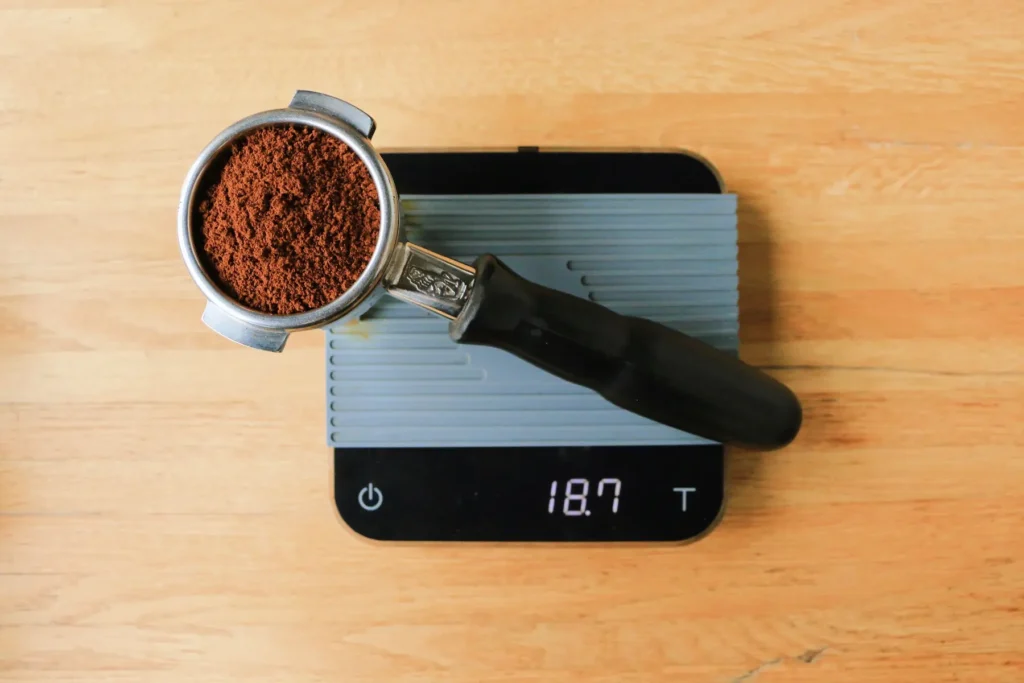
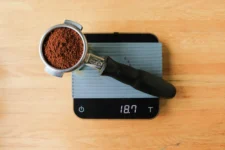
- Weigh and Grind Your Beans:Weigh out 18 grams of fresh espresso beans. Grind them using a fine, dedicated espresso grinder.
- Prep the Coffee Puck:Transfer the grounds into the 58mm basket. Use a WDT (Weiss Distribution Technique) needle tool to break up clumps, then tamp level with approximately 30 lbs of pressure.
- Purge the Group Head:Remove the portafilter and purge water from the group head for 2 seconds to flush lingering heat or grounds.
- Lock in and Extract:Lock the portafilter firmly into the group head, place your espresso scale and cup underneath, and flip the Brew Switch.
- Target Extraction Parameters:Target a yield of 36 grams of liquid espresso from your 18-gram dose within 25 to 30 seconds.
- Knock and Clean:Flip the Brew Switch off. Remove the portafilter, knock out the dry coffee puck, wipe the shower screen, and purge the wand.
Expert Tips for Maximum Performance
- Steam Before You Steam: Flip the steam switch on and wait roughly 15 seconds. Begin steaming before the steam light turns on to force the heating element to stay continuously active during milk texturing.
- Warm Your Cups: Place your ceramic espresso cups on top of the passive cup warmer tray, or fill them with hot water before pulling a shot to prevent thermal loss.
- Always Use Filtered Water: Use soft, filtered water or remineralized RO water to protect the internal aluminum boiler from limescale accumulation.
Common Mistakes to Avoid
- Using Pre-Ground Supermarket Coffee: Pre-ground coffee is too coarse for unpressurized baskets, leading to fast, sour, watery shots.
- Tamping at an Angle: Uneven tamping causes water to stream through the path of least resistance (channeling), ruining flavor balance.
- Descaling with Harsh Chemical Vinegar: Never use household vinegar to descale an aluminum boiler. Always use aluminum-safe descalers like Gaggia Decalcifier or Urnex Dezcal.
- Forgetting to Prime the Boiler: After steaming milk, always run hot water through the brew switch or steam wand to refill the empty boiler chamber with water.
Frequently Asked Questions (FAQs)
Does the Gaggia Classic Pro come with pressurized or non-pressurized baskets?
It includes both. It comes with a commercial two-cup unpressurized basket, a pressurized basket, and a two-way pin for pre-ground coffee.
How long does the Gaggia Classic Pro take to heat up?
The boiler reaches basic temperature in about 5 minutes, but allowing 10 to 15 minutes ensures the heavy brass group head and portafilter are thermally saturated.
Can I make lattes and cappuccinos on the Gaggia Classic Pro?
Yes. The commercial two-hole steam wand produces rich microfoam suitable for latte art.
What is the difference between the Gaggia Classic and the Gaggia Classic Pro?
The Classic Pro upgrades the older Pannarello wand to a commercial two-hole steam wand, improves the rocker switch controls, updates the outer frame cutouts, and quietens the pump mountings.
Do I need a specialized grinder for the Gaggia Classic Pro?
Yes. To pull unpressurized shots successfully, you need a fine-adjustment espresso grinder (such as a Baratza ESP, Eureka Mignon, or 1Zpresso manual grinder).
Final Verdict
The Gaggia Classic Pro maintains its position as the premier gateway into true home barista espresso culture. By emphasizing commercial 58mm brass hardware, a repairable steel frame, and a 3-way solenoid system over automatic shortcuts, it gives users complete control over extraction variables.
While it requires a learning curve, temperature surfing techniques, and a quality grinder, no other machine in the sub-$500 category offers the same blend of long-term durability, shot potential, and modding capability.