 Admin
Admin Introduction to Single Serve Coffee Machines
Everything you need to know about choosing, using, and getting the most out of a single serve coffee machine.
There is something undeniably satisfying about brewing a fresh, hot cup of coffee in under a minute — and that is exactly what single serve coffee machines are designed to deliver. Over the past decade, these compact brewers have gone from a niche kitchen gadget to an everyday essential in millions of homes, offices, and dorm rooms across the world.
Single serve coffee machines, sometimes called pod coffee makers or single cup brewers, are appliances that brew one serving of coffee at a time using pre-portioned pods, capsules, or coffee pods. Rather than making an entire pot that may go to waste, these machines let each person enjoy a freshly brewed cup tailored to their own taste — all at the push of a button.
Whether someone is a busy professional who needs their morning espresso fast, a household with mixed coffee preferences, or simply a coffee lover who values freshness and convenience, a single serve coffee machine offers a compelling solution. This guide takes a closer look at how these machines work, what makes them different from one another, how to choose the right one, and how to care for it over the long haul.
TOP PICKS
How Single Serve Coffee Machines Work
Understanding the mechanics behind single serve coffee machines helps buyers appreciate the technology they are investing in. While the brewing process varies slightly by brand and model, the fundamental steps are broadly similar across most machines.
The Brewing Process Step by Step
When a user places a coffee pod or capsule into the machine and presses the brew button, the machine first heats water to the optimal brewing temperature — typically between 192°F and 205°F (89°C to 96°C). Once the water reaches the right temperature, the machine punctures the pod on both ends and forces hot pressurized water through the coffee grounds inside. The brewed coffee then flows directly into the waiting cup below.
The entire process from button press to finished cup typically takes between 30 seconds and two minutes depending on the machine and the chosen cup size. Some models have an internal water reservoir that keeps water at a near-ready temperature, which can speed things up considerably.
Pod and Capsule Systems
Most single serve coffee machines are designed to work with a specific pod or capsule system. Keurig machines use K-Cups, Nespresso machines use Nespresso capsules, and Dolce Gusto machines use their own proprietary pods. Each system has a unique design that only fits the matching machine, which is worth factoring in when making a purchase decision.
That said, many machines now also accept reusable pods or universal pods, giving users greater flexibility in what coffee they brew. Reusable pods allow users to fill them with any ground coffee of their choice, which opens the door to a much wider range of flavors, roasts, and specialty coffees.
Types of Single Serve Coffee Machines
Not all single serve coffee machines are built the same. The market offers several distinct types, each suited to different preferences, budgets, and lifestyles.
Pod-Based Coffee Makers
Pod-based machines are by far the most popular category of single serve coffee makers. Brands like Keurig, Nespresso, and Dolce Gusto have built massive ecosystems around their proprietary capsule systems, offering hundreds of coffee varieties within a single platform. These machines are incredibly easy to use — just insert the pod, select the cup size, and brew.
The main advantage of pod-based systems is consistency. Every pod is pre-measured and sealed to lock in freshness, which means users get a reliably good cup every time with minimal effort. The trade-off is that pods can be more expensive per cup than brewing from ground coffee, and they generate plastic or aluminum waste that can concern eco-minded consumers.
Single Serve Espresso Machines
For those who prefer a stronger, more concentrated coffee, single serve espresso machines are an excellent choice. These machines use higher water pressure — typically 15 to 19 bars — to extract espresso shots from either pods or ground coffee. Many models in this category double as cappuccino or latte makers, thanks to integrated steam wands or milk frothers.
Nespresso is perhaps the most well-known brand in this category, but there are also excellent options from De’Longhi, Breville, and Lavazza. Single serve espresso machines tend to sit at a higher price point than basic pod brewers, but they deliver a café-quality shot that many coffee enthusiasts find worth the investment.
Drip-Style Single Cup Brewers
Drip-style single cup coffee makers work similarly to a traditional drip coffee machine but are scaled down to brew just one cup at a time. Instead of a glass carafe, the brewed coffee drips directly into a mug or travel cup placed below the brew basket. Users typically add ground coffee to a reusable or paper filter, add water to a small reservoir, and press start.
These machines tend to be more affordable than pod-based options and allow complete freedom in coffee selection. They are a great fit for budget-conscious buyers or those who already have a favorite ground coffee they love.
Capsule Machines with Milk Frothers
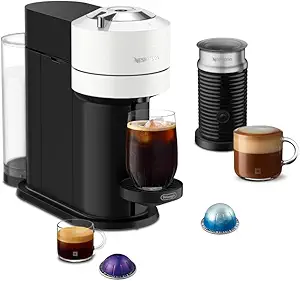
Some of the most versatile single serve coffee machines on the market come bundled with integrated or separate milk frothers. These all-in-one systems allow users to prepare specialty drinks like lattes, macchiatos, flat whites, and cappuccinos at home without any barista training. Nespresso’s Vertuo line and certain Dolce Gusto models offer this functionality, making them a popular choice for people who enjoy coffee house-style drinks.
Top Single Serve Coffee Machine Brands
A handful of brands dominate the single serve coffee machine market, each with its own loyal following and distinct set of features.
Keurig
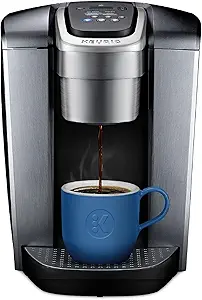
Keurig is the undisputed king of pod coffee in North America. The brand pioneered the K-Cup format and has since expanded to offer dozens of machine models at various price points, from entry-level options under $50 to premium models with color touchscreens and built-in water filters. Keurig’s greatest strength is its sheer variety — thousands of K-Cup pods are available from virtually every major coffee brand, giving users an enormous range of flavors and roasts to explore.
Nespresso
Nespresso is the go-to brand for single serve espresso lovers. The company offers two main product lines: the Original Line, which produces traditional espresso shots, and the Vertuo Line, which uses a unique centrifusion technology to brew both espresso and larger coffee formats. Nespresso machines are known for their sleek, modern design and exceptional build quality. The brand also runs a capsule recycling program, which appeals to environmentally conscious consumers.
Dolce Gusto
Owned by Nestlé, Dolce Gusto offers a distinctive selection of single serve machines known for their colorful, stylish design. Dolce Gusto pods cover a wide range of drinks beyond standard coffee, including hot chocolate, chai tea, and flavored lattes. The machines are generally more affordable than Nespresso models, making them an attractive entry point for casual coffee drinkers.
Hamilton Beach and Cuisinart
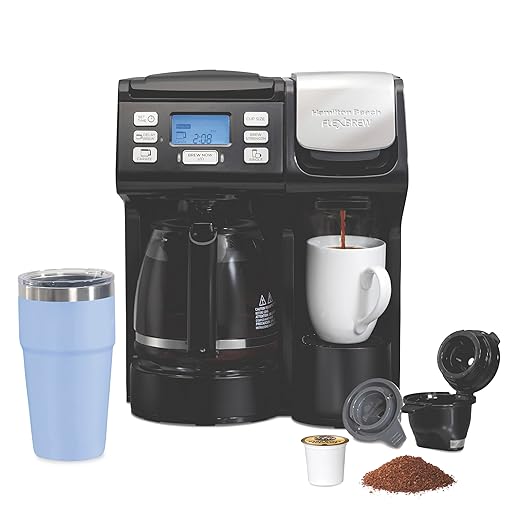
For those who prefer drip-style single cup brewing without the ongoing cost of pods, brands like Hamilton Beach and Cuisinart offer solid, budget-friendly options. These machines often feature adjustable brew strength, compatibility with ground coffee and paper filters, and travel mug-friendly designs.
Key Features to Look for in a Single Serve Coffee Machine
With so many options available, narrowing down the right single serve coffee machine can feel overwhelming. Focusing on a few core features can help make the decision much clearer.
Brew Size Options
One of the most practical features on any single serve coffee machine is the ability to choose the cup size. Most modern machines offer at least three size options — typically ranging from 4 oz to 12 oz — though some premium models allow sizes up to 16 oz or even 32 oz carafes. Having multiple size options is especially useful in households where some people prefer a small, strong espresso while others prefer a large, milder coffee.
Water Reservoir Capacity
The size of the machine’s water reservoir determines how many cups can be brewed before a refill is needed. Machines with smaller reservoirs (around 30 to 40 oz) are more compact but require more frequent refilling. Larger reservoir machines (60 oz and above) are more convenient for high-volume users or households where multiple people brew throughout the day. Some machines also include a removable reservoir for easy refilling at the sink.
Brew Temperature Control
Brew temperature plays a significant role in the flavor and quality of the finished cup. Most single serve coffee machines brew at a fixed temperature, but some higher-end models allow users to adjust the temperature to better suit their preferred coffee style. Those who enjoy bold, full-bodied coffee may prefer higher temperatures, while lighter roast drinkers may find lower temperatures bring out more subtle flavor notes.
Compatibility with Multiple Pod Types
Flexibility in pod compatibility is a major selling point for many buyers. Some machines are engineered to work with multiple pod formats or include a universal pod adapter, allowing users to try pods from different brands without being locked into a single ecosystem. Compatibility with reusable refillable pods is another feature worth seeking out for those who want to use their own ground coffee.
Brewing Speed
Brewing speed matters more to some users than others, but for busy mornings it can make a real difference. The fastest single serve machines can deliver a cup in as little as 25 to 30 seconds from button press to brew completion. Machines with preheated water systems tend to be quicker than those that heat water from scratch each time.
Programmability and Smart Features
Many modern single serve coffee machines include programmable settings that allow users to schedule their brew time, save favorite cup sizes, or set auto-shutoff timers for energy savings. High-end models may also offer Bluetooth or Wi-Fi connectivity, enabling control via a smartphone app. While these smart features are not essential, they can add meaningful convenience for tech-savvy users.
Pros and Cons of Single Serve Coffee Machines
The Advantages
Single serve coffee machines offer a compelling set of benefits that explain their widespread popularity.
- Convenience: A single cup of fresh coffee is ready in under two minutes with virtually no effort. There is no grinding, no measuring, and no cleanup beyond discarding the used pod.
- Freshness: Because coffee is brewed fresh with each pod, there is no stale pot sitting on a burner. Every cup is as fresh as it gets.
- Variety: Pod ecosystems give users access to dozens or even hundreds of different coffees, teas, and specialty drinks within a single machine.
- Reduced Waste: Since only as much coffee as needed is brewed, there is no leftover liquid to pour down the drain.
- Low Learning Curve: Single serve machines are intuitive enough for anyone to use from day one — no barista training required.
The Disadvantages
Like any product, single serve coffee machines come with some trade-offs that potential buyers should consider.
- Higher Cost Per Cup: Pod coffee typically costs more per serving than brewing from a bag of ground coffee, which can add up over time for heavy coffee drinkers.
- Environmental Concerns: Single-use pods create plastic or aluminum waste. While some brands offer recycling programs, many pods still end up in landfills.
- Pod Lock-In: Many machines are designed to work only with proprietary pods, limiting the range of coffee options unless compatible pods are sought out separately.
- Not Ideal for Large Groups: Since only one cup is brewed at a time, serving multiple guests can be slower and less practical than a traditional coffee pot.
- Maintenance Required: Limescale buildup and stale water can affect the quality of brewed coffee over time if the machine is not regularly cleaned and descaled.
Single Serve Coffee Machines: Cost Breakdown
The price of single serve coffee machines spans a wide range, from around $25 for basic drip-style single cup brewers to $300 or more for premium espresso machines. Understanding the total cost of ownership — not just the upfront price — helps buyers make an informed choice.
Machine Purchase Price
Entry-level pod machines like the Keurig K-Mini or Nespresso Essenza Mini typically retail between $60 and $100. Mid-range models with more features, such as larger reservoirs and multiple brew sizes, generally fall in the $100 to $180 range. Premium machines with milk frothers, touch displays, and smart connectivity can cost $200 to $350 or more.
Ongoing Pod Costs
The ongoing cost of pods is a significant factor in the total cost of ownership. Standard K-Cups cost roughly $0.50 to $0.90 per pod, while Nespresso capsules range from $0.70 to $1.50 per pod depending on the variety. At one cup per day, that works out to approximately $180 to $550 per year on pods alone. In comparison, brewing the same volume of coffee from a 12 oz bag of ground coffee — at around $12 to $18 per bag — could cost as little as $80 to $120 per year.
Reusable pods offer a middle ground. A reusable K-Cup or Nespresso pod costs around $10 to $20 upfront and allows users to fill it with any ground coffee they prefer, dramatically reducing the per-cup cost.
Maintenance Costs
Descaling solution is the primary ongoing maintenance expense for single serve coffee machines. A bottle of descaling solution typically costs $5 to $15 and lasts for two to four uses. Machines used with hard water will require more frequent descaling than those used with filtered or soft water.
How to Clean and Maintain a Single Serve Coffee Machine
Regular cleaning and maintenance are essential for keeping a single serve coffee machine performing at its best. Neglecting maintenance can lead to slower brewing speeds, off-tasting coffee, and eventually machine failure.
Daily Cleaning
After each use, it is good practice to remove and rinse the drip tray and pod holder with warm water. Leaving used pods in the machine or allowing spilled coffee to dry in the drip tray can lead to odors and mold growth over time. Wiping down the exterior of the machine with a damp cloth also helps keep it looking clean.
Weekly Cleaning
Once a week, users should rinse the water reservoir with clean water and allow it to air dry if possible. Running a rinse cycle with clean water — without inserting a pod — helps flush out any residual coffee oils or debris from the internal components. The needle that punctures the pods can also be cleaned gently with a paper clip or the cleaning tool that comes with many machines.
Descaling
Descaling — the process of removing limescale mineral deposits from the machine’s internal heating system — is one of the most important maintenance tasks. Most manufacturers recommend descaling every three to six months, though machines in areas with hard water may need it more frequently. The process involves running a descaling solution mixed with water through the machine in several brew cycles, followed by multiple rinse cycles with plain water.
Skipping descaling can cause the machine to brew at a lower temperature, which negatively affects coffee flavor. It can also restrict water flow, leading to slower brewing times and eventually causing the heating element to fail prematurely.
Replacing Water Filters
Many single serve coffee machines include a replaceable water filter cartridge in the reservoir to remove chlorine and other impurities that can affect taste. These filters typically need to be replaced every two months or after every 60 tank refills, whichever comes first. Fresh filters contribute noticeably to better-tasting coffee.
The Environmental Impact of Single Serve Coffee Machines
One of the most common criticisms of single serve coffee machines — particularly pod-based systems — is their environmental footprint. The billions of pods sold each year generate a significant amount of plastic and aluminum waste, much of which ends up in landfills.
Pod Waste and Recycling
Nespresso has made meaningful strides in this area by offering a well-established capsule recycling program. Users can drop off used capsules at collection points or mail them back using prepaid bags, and Nespresso processes them to recover aluminum and coffee grounds. Keurig has also introduced recyclable K-Cup pods in recent years, though availability and local recycling acceptance can vary.
Compostable and Biodegradable Pods
A growing number of third-party pod manufacturers now offer compostable or biodegradable pods made from plant-based materials. These pods are designed to break down in industrial or home composting conditions, significantly reducing landfill waste. While they may not always be compatible with every machine, they represent a meaningful step toward more sustainable single serve coffee.
Reusable Pods
Arguably the most environmentally friendly option is the reusable pod. Made from stainless steel or durable BPA-free plastic, these pods can be filled with ground coffee, used, rinsed, and reused hundreds or even thousands of times. They eliminate pod waste entirely while also offering complete freedom in coffee selection. For environmentally conscious consumers, reusable pods pair well with organic or fair trade ground coffee for a truly guilt-free cup.
Which Single Serve Coffee Machine is Best for Different Users?
The best single serve coffee machine is ultimately the one that fits a user’s lifestyle, coffee preferences, and budget. Here is a quick guide to help match machine types to different user profiles.
Best for Busy Professionals
For someone who needs coffee fast in the morning with zero fuss, a Keurig with a large reservoir and fast heat-up time is hard to beat. Models like the Keurig K-Elite or K-Supreme Plus offer quick brewing, multiple cup sizes, and strong brew settings that are perfect for a demanding morning routine.
Best for Espresso Lovers
For those who prioritize espresso quality above all else, a Nespresso machine — particularly the Vertuo Next or the VertuoPlus — is an excellent choice. Pairing a Nespresso machine with the Aeroccino milk frother transforms it into a full home café setup capable of lattes, flat whites, and cappuccinos.
Best for Budget-Conscious Buyers
Hamilton Beach’s single serve drip brewers offer a practical, no-frills coffee experience at a very affordable price. A Hamilton Beach FlexBrew, for example, retails for around $30 to $60 and accommodates both pods and ground coffee, giving users flexibility without a hefty price tag. Cuisinart’s single serve machines are another reliable budget-friendly option.
Best for Eco-Conscious Consumers
For consumers who care deeply about reducing waste, a drip-style single cup brewer used with a reusable filter and fair trade, sustainably sourced ground coffee is the greenest option. Alternatively, a Nespresso machine used with the brand’s recycling program and aluminum capsules strikes a balance between convenience and environmental responsibility.
Best for Office Use
In an office setting where many people brew throughout the day, a Keurig with a large 90 oz or more reservoir and fast recovery time is the practical choice. Commercial Keurig models are designed with office environments in mind, offering high-volume brewing without requiring constant reservoir refills.
Common Single Serve Coffee Machine Problems and Solutions
Even the best machines can run into issues occasionally. Knowing how to troubleshoot common problems can save both frustration and the cost of an unnecessary repair or replacement.
Machine Is Not Brewing
If the machine powers on but will not brew, the most common culprits are an empty water reservoir, a pod that is not seated properly, or a clogged needle. Checking that the reservoir is filled above the minimum line, removing and reinserting the pod, and cleaning the needle assembly usually resolves the problem quickly.
Coffee Tastes Bad or Weak
Poor-tasting coffee is often a sign that the machine needs descaling. Limescale buildup can prevent water from reaching the optimal brewing temperature, resulting in under-extracted, watery coffee. Running a descaling cycle usually resolves this quickly. Using a fresh, high-quality pod or ground coffee also makes a significant difference in flavor.
Machine Is Brewing Slowly
Slow brewing is almost always caused by limescale buildup or a clogged filter. Descaling the machine and replacing the water filter cartridge typically restores normal brewing speed. If the problem persists after descaling, checking the needle for blockages may help.
Leaking Water
Water leaking from the bottom or sides of the machine can indicate a damaged seal, a cracked drip tray, or an overfilled reservoir. Checking the seal around the pod holder and ensuring the drip tray is properly seated usually identifies the source quickly.
Tips for Buying a Single Serve Coffee Machine
Walking into a store or browsing online with a clear set of priorities makes the buying process much simpler. These practical tips can help narrow down the options.
- Define the primary use case: daily espresso, quick morning drip coffee, flavored drinks, or a mix of all three.
- Set a realistic budget that accounts for both the machine cost and ongoing pod or coffee costs over time.
- Check pod availability and pricing for the specific machine system before buying — some pod ecosystems are more widely available and affordable than others.
- Consider kitchen counter space; single serve machines range from very compact to quite large depending on reservoir size and features.
- Look for machines that include at least a one-year manufacturer warranty.
- Read long-term user reviews that mention durability and reliability, not just first impressions.
- If sustainability is a concern, prioritize machines compatible with reusable pods or brands with established recycling programs.
Conclusion
Single serve coffee machines have fundamentally changed the way millions of people enjoy their daily cup of coffee. By combining speed, convenience, and variety in a compact package, these machines have earned a permanent place on kitchen counters around the world.
Whether someone is drawn to the consistency and ease of Keurig K-Cups, the rich espresso of a Nespresso machine, or the simplicity of a budget drip brewer with a reusable filter, there is a single serve coffee machine out there that fits their needs perfectly. The key is understanding what matters most — be it brew speed, coffee quality, environmental impact, or total cost — and letting those priorities guide the decision.
With the right machine in place and a little regular maintenance, a perfect cup of coffee is always just one button press away. That, more than anything else, is what makes single serve coffee machines such an enduring favorite for coffee lovers of all kinds.