
 Admin
Admin Learning how to descale espresso machine is one of the most important maintenance tasks for any coffee lover.
Why Descaling Is the Most Important Coffee Maker Maintenance Step
There is one maintenance task that every coffee lover eventually has to face, and it is one that far too many people put off for far too long: descaling. Whether someone relies on a Keurig coffee maker to get through busy mornings or pulls shots on a high-end espresso machine, mineral buildup is the silent enemy lurking inside their brewing equipment.
Over time, hard water deposits calcium and other minerals onto the internal components of any coffee maker. This scale buildup restricts water flow, lowers brewing temperatures, alters taste, and shortens the lifespan of the machine. Regular descaling is not just a recommendation it is the single most effective way to protect performance and keep that morning coffee tasting exactly as it should.
This comprehensive guide covers everything: why descaling matters, which solutions to use, step-by-step instructions for the most common coffee makers and espresso machines, and tips for staying ahead of the problem before it starts.
What Is Scale Buildup and Why Does It Happen?
Scale is the chalky, white residue that forms inside coffee makers, espresso machines, kettles, and other appliances that heat water. It is caused by mineral deposits primarily calcium and magnesium that are naturally present in tap water. The harder the water (measured in TDS, or total dissolved solids, using a TDS meter), the faster scale accumulates.
Hard water is particularly problematic for espresso machines, where water is forced through a portafilter at high pressure and precise temperature. Even a thin layer of limescale on the group head or inside the boiler can throw off extraction, reduce steam wand pressure, and cause unusual noises during brewing.
For drip brewers, French press users, and pour-over setups, hard water affects luality and coffee oils differently but the result is the same: diminished taste and reduced machine performance over time.
How to Know If Your Machine Needs Descaling
Most modern machines make it easy to know when descaling is overdue. Here are the most common signs to watch for:
- The descale light turns on (common on Keurig and other automated machines)
- Coffee or espresso tastes bitter, flat, or different from usual
- Brewing is slower than normal a sign of restricted water flow
- The machine makes unusual noises during the brew cycle
- Steam wand output is weaker or inconsistent
- Hot water takes longer to reach temperature
- There is visible white residue around the water tank or drip tray
How Often Should You Descale?
The general recommendation across most brands and articles is to descale every 3–6 months, depending on water hardness and how frequently the machine is used. Those who live in areas with very hard water, or who brew multiple times per day, should lean toward the 3-month end of that range.
A TDS meter is a handy tool for measuring water hardness at home. If readings are consistently high, it may be worth investing in a water filtration system or reverse-osmosis filter to reduce the mineral load on the machine in the first place. Some machines particularly certain La Marzocco commercial espresso machines include a built-in water filter or water softener to help manage water quality automatically.
For most home users with average water hardness, descaling every 3–6 months is sufficient. Setting a recurring reminder is one of the simplest maintenance tips for staying on schedule.
How to Descale Espresso Machine: Best 6 Solution Method
There are several descaling solutions available, each with its own advantages. Choosing the right one depends on the machine type, personal preference, and what is readily available.
1. Commercial Descaling Solutions
Commercial descalers are formulated specifically for coffee makers and espresso machines. Brands like those sold through Coast Appliances and major retailers offer commercial descaling solutions that are safe for all internal components, effective against limescale, and often recommended in the user manual for specific machines. These solutions typically dissolve scale faster than home alternatives and leave no aftertaste.
For commercial-grade espresso machines or any machine under warranty, commercial descalers are the safest choice. Always follow the specific instructions on the packaging, as concentrations vary by brand.
2. White Vinegar
White vinegar is the most commonly used home descaling solution. It is inexpensive, widely available, and effective at breaking down mineral deposits thanks to its acetic acid content. Many users of common coffee maker models including drip brewers and Keurig coffee makers rely on white vinegar as their go-to descaling solution.
To use white vinegar, mix one part distilled vinegar with one part fresh water and run the solution through a full brew cycle. The acid works to dissolve calcium and other scale deposits from the internal components. After the descaling cycle, it is important to run at least two to three brew cycles with clean water to fully flush out the vinegar taste and smell.
Note: White vinegar is not recommended for all machines some manufacturers specifically advise against it, particularly for certain espresso machines where the acidity may affect seals or valves. Always check the user manual before using vinegar as a descaling solution.
3. Citric Acid
Citric acid is a popular alternative to white vinegar it is effective, food-safe, and leaves far less residual odor. It is sold in powder form and is easy to dissolve in hot water before use. Citric acid is gentle enough for most coffee makers and espresso machines, and it does an excellent job breaking down mineral deposits without damaging internal components.
A typical solution uses about one tablespoon of citric acid dissolved per litre of water. Like any descaling solution, it should be followed by multiple rinse cycles using clean water or fresh water to clear the machine before brewing again.
4. Baking Soda
While baking soda is sometimes suggested as a descaling agent, it is worth noting that it is less effective than citric acid or white vinegar at dissolving calcium-based limescale. Baking soda is better suited to general cleaning tasks such as removing coffee oils and residue from a drip tray or mug rather than full descaling. It can be a useful supplementary cleaning tool, but it should not replace a proper descaling process.
5. Distilled Vinegar
Distilled vinegar functions similarly to white vinegar and is often used interchangeably in descaling guides. It contains a consistent level of acidity, making it a reliable option when white vinegar is not available. As with white vinegar, thorough rinsing with fresh water after the descaling cycle is essential to prevent any vinegar taste from lingering in brewed coffee.
6. Filtered Water and Reverse-Osmosis Water
Using filtered water or reverse-osmosis water in the water reservoir is one of the best preventive measures against scale buildup. By reducing the mineral content of the water from the start, these water filtration methods slow the rate at which limescale forms on internal components. While this does not eliminate the need for descaling entirely, it significantly extends the time between descaling cycles.
How to Descale a Keurig Coffee Maker: Step-by-Step Instructions
The Keurig coffee maker is one of the most popular single-serve machines in North America, and descaling it is straightforward once the process is understood. Keep in mind that there are different Keurig models, so it is always worth checking the user manual for specific instructions. The general process below applies to most standard Keurig machines.
What You’ll Need
- Keurig descaling solution (commercial descaler recommended by Keurig) or white vinegar / citric acid
- Fresh water
- A large mug
- Access to a sink
Step-by-Step Descaling Process for Keurig
- Empty the water reservoir completely and remove any water filter inside the tank.
- Pour the descaling solution into the reservoir use the full bottle of Keurig’s commercial descaler, or fill halfway with white vinegar and top off with fresh water.
- Place a large mug on the drip tray to catch the liquid.
- Power on the machine and initiate the descaling cycle on most models, this involves holding the 8oz and 12oz buttons simultaneously until the descale light flashes.
- Press the brew button and allow the machine to run the solution through. Empty the mug and repeat until the ADD WATER indicator appears.
- Let the machine sit for at least 30 minutes with the power on this allows the descaling solution to break down any remaining mineral buildup inside the internal components.
- Refill the reservoir with fresh water and run at least 12 full brew cycles without a K-Cup to thoroughly rinse the machine.
- The descale light should turn off once the process is complete. If it remains on, repeat the rinse step.
Tip: Different Keurig models may have slightly different reset procedures. If the descale light does not reset after the process, consult the specific instructions in the user manual or the Keurig support page.
How to Descale an Espresso Machine: Step-by-Step Instructions
Espresso machines from entry-level home units to professional machines like the La Marzocco require regular descaling to maintain the performance of the group head, boiler, and steam wand. The process is a bit more involved than descaling a drip coffee maker, but the steps are manageable with a little patience.
What You’ll Need
- Commercial descaling solution formulated for espresso machines
- Fresh water
- A container to catch liquid
- A clean cloth for wiping down the group head and steam wand
Step-by-Step Descaling Process for Espresso Machines
- Turn off the machine and allow it to cool completely before beginning.
- Empty the water tank and remove any water filter.
- Prepare the descaling solution according to the manufacturer’s instructions typically diluted in the water tank with fresh water.
- Run the solution through the group head by initiating a brew cycle without the portafilter in place. Allow the liquid to flow through for the recommended time.
- Purge the steam wand by activating it briefly to allow the descaling solution to pass through internal components and remove limescale from the steam pathway.
- Allow the solution to sit inside the machine for the time specified in the product instructions usually between 15 and 30 minutes.
- Drain the machine fully, refill the water tank with clean water, and run two to three complete rinse cycles through the group head and steam wand.
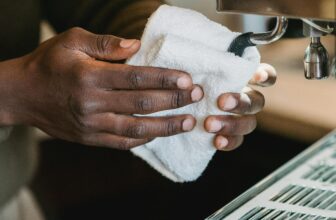
- Wipe down the group head, drip tray, and steam wand with a clean cloth after rinsing.
- Refill the water tank with fresh water and the machine is ready to use.
Important: For high-end or commercial espresso machines, always follow the specific instructions provided in the user manual. Using the wrong descaling solution can void the warranty and damage sensitive internal components.
How to Descale Drip Brewers and Pour-Over Setups
Drip Coffee Makers
Drip brewers are among the most common coffee makers in households worldwide, and descaling them is one of the simplest maintenance tasks a coffee lover can undertake. The descaling process for drip machines typically involves filling the water reservoir with a descaling solution white vinegar, citric acid, or a commercial descaler running a half brew cycle, pausing for 30 minutes, then completing the cycle and following with several rounds of clean water.
Coffee oils also accumulate in drip brewers over time, leaving a residue that affects taste. A good descaling session combined with a general cleaning of the drip tray, filter basket, and carafe goes a long way toward restoring fresh coffee flavor.
Pour-Over Coffee
Pour-over setups including cone-style drippers and dedicated pourover brewers are far less prone to scale buildup because they do not have pressurized internal components. However, the kettle used to heat water for pour-over brewing is very much at risk from hard water deposits. Descaling the kettle every 3–6 months using citric acid or white vinegar keeps water flow consistent and ensures clean, hot water reaches the grounds without any mineral taint.
French Press
A French press does not require descaling in the traditional sense, as it has no heating element or internal plumbing. However, coffee oils and mineral deposits can build up on the glass carafe and metal filter over time, affecting taste. A regular soak with a citric acid solution or baking soda and hot water will keep the French press clean and performing at its best.
The Role of Water Quality in Coffee and Espresso
Water quality is one of the most underappreciated factors in brewing great coffee. The water used accounts for approximately 98% of a cup of brewed coffee and nearly 90% of an espresso shot which makes water hardness a critical variable in both taste and machine health.
Using a TDS meter to test tap water is a great first step for any serious coffee lover. Ideal TDS levels for espresso are generally between 75 and 150 ppm low enough to avoid rapid limescale formation, but high enough to carry flavor compounds effectively. Water that is too soft (such as reverse-osmosis water with no minerals added back) can actually produce flat, under-extracted espresso, while water that is too hard accelerates scale buildup and dulls taste.
Investing in a water filtration system whether a simple pitcher filter, an inline filter connected to the machine, or a full reverse-osmosis system is one of the best long-term maintenance tips for any serious home barista. It reduces scale buildup, protects internal components, and can meaningfully improve the quality and consistency of every cup.
Maintenance Tips: Keeping Your Machine in Top Shape Between Descaling
Descaling is the most important maintenance step, but it is not the only one. Here are some practical tips for keeping any coffee maker or espresso machine performing at its best:
- Rinse the water tank daily: Stagnant water in the reservoir encourages bacterial growth and can contribute to off-tastes in brewed coffee.
- Clean the group head regularly: For espresso machines, backflushing the group head with clean water (or a cleaning tablet) after each use prevents coffee grounds and coffee oils from building up.
- Empty and rinse the drip tray: This small step prevents mold and residue from forming in a part of the machine that is easy to overlook.
- Replace the water filter on schedule: Most machines with a built-in water filter recommend replacing it every 2 months or after a set number of brew cycles.
- Wipe down the steam wand after every use: Milk residue on a steam wand dries quickly and can be difficult to remove if left for too long.
- Use a mug warmer or rinse espresso cups with hot water before brewing: This has nothing to do with descaling, but it dramatically improves taste and the espresso experience.
- Subscribe to a maintenance newsletter from the machine’s manufacturer: Many brands send out seasonal news and reminders with cleaning and descaling tips tailored to specific models.
Common Coffee Maker Descaling Mistakes to Avoid
Even well-intentioned coffee lovers sometimes make mistakes during the descaling process. Here are the most frequent ones — and how to avoid them:
Skipping the Rinse Cycles
This is the most common mistake. After running any descaling solution through the machine, multiple rinse cycles with clean water or fresh water are essential. Residual acid whether from white vinegar, distilled vinegar, or citric acid will affect the taste of the next several brews if not fully flushed out.
Using the Wrong Solution for the Machine
Not all descaling solutions are safe for all machines. Some espresso machine manufacturers explicitly state in the user manual that white vinegar should not be used. Always check the specific instructions before choosing a solution, especially for high-end machines like La Marzocco or other commercial espresso machines.
Ignoring the Descale Light
When the descale light comes on, it should not be ignored. Continuing to use a machine with significant scale buildup puts additional strain on the pump and heating element, accelerates wear on internal components, and produces coffee that tastes worse with every brew cycle. Addressing descaling promptly saves money on repairs and replacements.
Descaling Too Infrequently
Waiting longer than 6 months between descaling sessions especially in hard water areas allows mineral deposits to harden inside the machine. Once scale becomes heavily calcified, a single descaling cycle may not be enough, and the process may need to be repeated. Sticking to the 3–6 months schedule prevents this from happening.
A Note on Tom’s Guide and Other Trusted Review Sources
For those researching specific descaling products or looking for updated reviews on the best commercial descalers, Tom’s Guide is one of the most widely referenced sources for appliance maintenance articles. Their coverage of coffee maker care, descaling solutions, and machine-specific tips is thorough and regularly updated. Alongside Tom’s Guide, Coast Appliances publishes helpful maintenance guides for home and commercial espresso machines that are worth bookmarking.
Subscribing to a trusted newsletter focused on home appliances or coffee culture is another easy way to stay on top of descaling reminders, new product news, and maintenance articles tailored to specific machine types.
Frequently Asked Questions About Descaling
Can a coffee maker be over-descaled?
Running descaling solution through a machine too frequently is generally not harmful, provided clean water rinse cycles follow. However, using very harsh acids more often than necessary can potentially affect rubber seals in some machines over a long period. Sticking to commercial descalers and following the 3–6 months guideline is the safest approach.
What if the descale light stays on after descaling?
If the descale light remains on after completing the full descaling process, it typically means the reset step was missed or the machine requires an additional rinse cycle. For most Keurig models, holding specific buttons during the final rinse cycle triggers the reset. Check the user manual for the specific instructions for that model.
Is descaling the same as cleaning?
Descaling and cleaning address different problems. Descaling targets mineral deposits and limescale inside the internal components of the machine. Cleaning addresses coffee oils, grounds residue, and surface grime on parts like the drip tray, portafilter, group head, and mug contact areas. Both are important parts of a complete coffee maker maintenance routine.
Does filtered water eliminate the need to descale?
Filtered water including water filtered through reverse-osmosis or water filtration pitchers significantly reduces the rate of scale buildup, but does not eliminate it entirely. Even filtered water contains trace minerals that accumulate over time. Regular descaling is still necessary, just less frequent.
Conclusion: Make Descaling a Non-Negotiable Part of Coffee Maker Care
A well-maintained coffee maker or espresso machine is a reliable partner in delivering a great cup of coffee, day after day. Mineral buildup, hard water deposits, and limescale are inevitable realities of brewing but they are entirely manageable with a consistent descaling routine.
Whether the machine is a humble drip brewer, a beloved Keurig, a pour-over kettle, a French press, or a high-end espresso machine from La Marzocco, the principles remain the same: descale every 3–6 months, choose the right solution, follow the step-by-step instructions, rinse thoroughly, and pay attention to water quality. These simple maintenance tips will protect the machine’s internal components, preserve the taste of every brew, and extend the life of the equipment for years to come.
Morning coffee should be a pleasure, not a chore and with the right descaling routine in place, that perfect cup is always just a brew cycle away.
Subscribe to our newsletter for seasonal maintenance reminders, news on descaling solutions, and the latest articles on coffee maker and espresso machine care.