 Admin
Admin When someone steps into the world of specialty coffee, one of the first questions that comes up is about the right equipment. Understanding the battle of Espresso vs Drip brewing is essential because each method demands something unique from the grind.
whether through a social pastime shared with friends, a trusted online community, or an exchange network of passionate hobbyists — is which grinder to choose. The answer isn’t always one-size-fits-all. Much like navigating the layers of a stack exchange network to find internal knowledge, choosing the right grinder requires understanding the fundamental differences between espresso vs drip brewing, and how each method demands something unique from the grind.
This guide is designed to help coffee lovers — from beginners to seasoned home baristas — find the answers they need in one place, rather than having to copy and paste information from a dozen different sites. Everything from key features to specific product recommendations is covered here.
Why the Right Grinder Is the Foundation of Great Coffee
Ask any member of a coffee community — whether online or in-person — and they will all share the same thought: the grinder matters more than most people realize. Much like how parts of speech each serve a distinct role in building a complete sentence, every element of the brewing process plays a specific role in the final cup. The grinder is the noun clause of coffee: the structural foundation upon which everything else rests.
Using the wrong grinder is like applying a superlative adjective where a simple past tense verb belongs — the result simply doesn’t work. Understanding the internal knowledge of how grinders function is the first step toward brewing excellence.
Espresso vs Drip: Understanding the Core Differences
Before diving into specific grinder recommendations, it helps to explore what separates espresso grinding from drip grinding. The subject of this discussion isn’t just about particle size — it’s about the entire context of brewing, including water pressure, contact time, and extraction dynamics. These are the related questions any informed buyer should be able to answer.
Espresso Grinding: Precision at the Fine End
Espresso requires an extremely fine grind — think of it as the superlative form of grinding. The grind must be consistent enough to allow 9 bars of pressure to push water through a compact puck in roughly 25–30 seconds. Even the smallest sentence changes in a grind setting can shift the flavor profile dramatically. A grinder used for espresso must offer precise micro-adjustment, excellent burr alignment, and minimal retention.
In English grammar, inversion changes how a sentence reads while preserving the underlying meaning. In espresso, a similar brewing inversion applies: small changes at the grind level can flip the entire flavor profile. This makes the grinder the most important tool in the espresso workflow, not just one part of the broader process.
Drip Coffee Grinding: More Forgiving, But Still Important
Drip brewing operates in a different context entirely. The grind size for drip coffee is medium, and the process is far more forgiving than espresso. While espresso grinders must hold consistent results shot after shot, drip grinders have more flexibility within the same range of settings. However, blade grinders — which produce inconsistent particle sizes — still lead to uneven extraction, similar to how a sentence without proper clause structure loses its intended meaning.
Even in drip brewing, the concept of prepositional phrases applies conceptually: where water passes through the grounds, how long it remains in contact, and which path it takes all affect the final cup. A high-quality burr grinder ensures that every particle contributes its complement to the brew.
Key Features to Look for in a Coffee Grinder
Whether shopping for an espresso grinder or a drip grinder, certain features are non-negotiable. Exploring the answers to these questions helps buyers make informed decisions. The following covers the most important considerations.
Choosing the Best Burr Grinders: Flat vs Conical for Espresso
The burr is the most critical component of any quality grinder. Just as a pronoun takes the place of a noun in a sentence, conical burrs function as a more affordable complement to flat burrs — and both types can produce excellent results. Flat burrs are typically preferred for espresso due to their uniformity, while conical burrs work beautifully for drip, pour-over, and French press applications.
Grind Adjustment: Stepless vs Stepped
Stepless grinders allow for infinitely fine adjustments — much like how an adverb can subtly modify the meaning of a verb or adjective within a phrase. This level of control is essential for espresso, where the exact meaning of ‘the right grind’ changes depending on the bean, roast level, and ambient conditions. Stepped grinders, while less precise, suit drip coffee perfectly where the same range of settings works well across many different coffees.
Retention and Workflow Automation
Low-retention grinders waste less coffee between doses. For espresso workflows, automation features — such as programmable dosing timers — have become increasingly valuable. Automation in modern grinders mirrors how automation in software development reduces repetitive work: it builds consistency into every step, removing human error from the process.
Best Espresso Grinders: Top Picks from the Community
The following grinders represent the best options available for espresso enthusiasts. These selections reflect knowledge gathered from online coffee communities, user contributions, and exchange networks of serious home baristas.
1. Niche Zero — Beloved Across the Coffee Community
The Niche Zero has become a legend in the espresso world. Its single-dose design, conical burrs, and near-zero retention make it a favorite across community forums and review sites. Much like a question word that transforms a complete sentence into a meaningful inquiry, the Niche Zero transforms ordinary espresso into something worth examining more closely. It’s an ideal choice for those who demand precision in every shot.
2. Baratza Vario-W — Automation Meets Precision
The Baratza Vario-W brings automation to the espresso workflow through built-in weight-based dosing. For those who want consistent shots without working through every variable each morning, the Vario-W is a compelling answer. Its macro and micro grind adjustment system allows baristas to stay within the same range of settings while fine-tuning their output with ease.
3. Eureka Mignon Specialita — Italian Engineering at Its Best
The Eureka Mignon Specialita showcases Italian engineering at its finest. Its stepless micrometric grind adjustment, silent motor, and elegant form factor make it a standout in any kitchen. The grinder handles demanding espresso work with the kind of precision that inspires confidence in both experienced baristas and those just beginning to explore the craft.
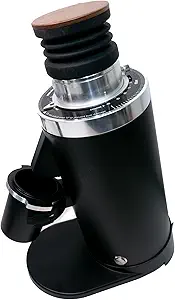
4. DF64 — High Performance, Accessible Price
The DF64 has earned a devoted following among espresso enthusiasts who want high performance without an enormous price tag. This single-dose grinder offers flat burrs typically found in machines costing significantly more, and its community-driven development — including open-source upgrades made through user contributions — makes it one of the most exciting developments in home espresso in recent years.
Best Drip Coffee Grinders: Reliable Performers for Every Morning
Drip coffee might seem like the simpler brewing method, but the grinder still plays a critical role. The following picks represent the answers to similar questions that appear repeatedly across the coffee community about the best drip grinders available.
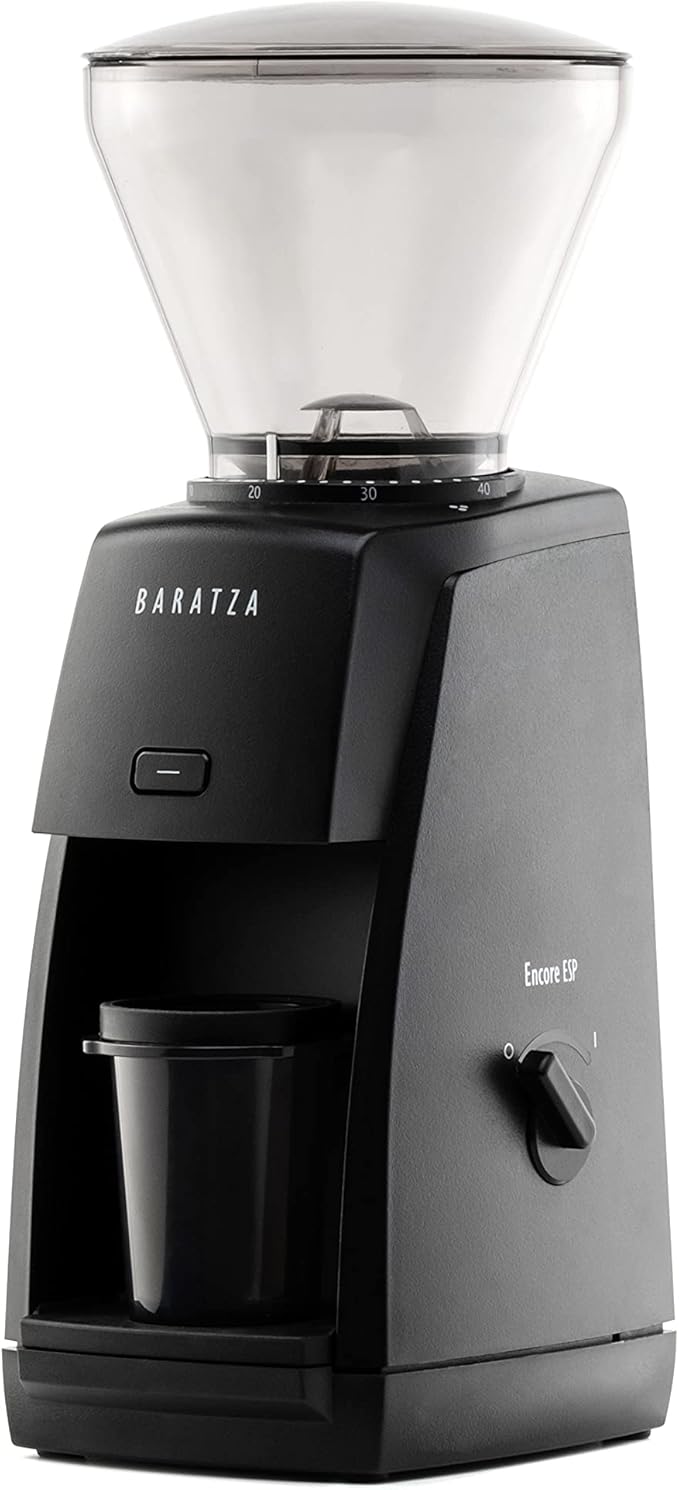
1. Baratza Encore — The Community Standard
The Baratza Encore is often the first sentence in any drip coffee grinder conversation. It is the go-to recommendation across virtually every coffee forum and for good reason: it is reliable, affordable, and produces a consistent grind for drip, pour-over, and French press. For someone just starting out, the Encore is the trusted place to begin.
2. OXO Brew Conical Burr Grinder — Automation for the Home
The OXO Brew Conical Burr Grinder is designed with workflow automation in mind. Its one-touch start and integrated scale make the morning routine seamless. With 15 grind settings, drip coffee drinkers get the same range of flexibility they need without the complexity of espresso-level fine-tuning. Its thoughtful design and polished logo aesthetics make it as pleasant to use as it is to display on a countertop.
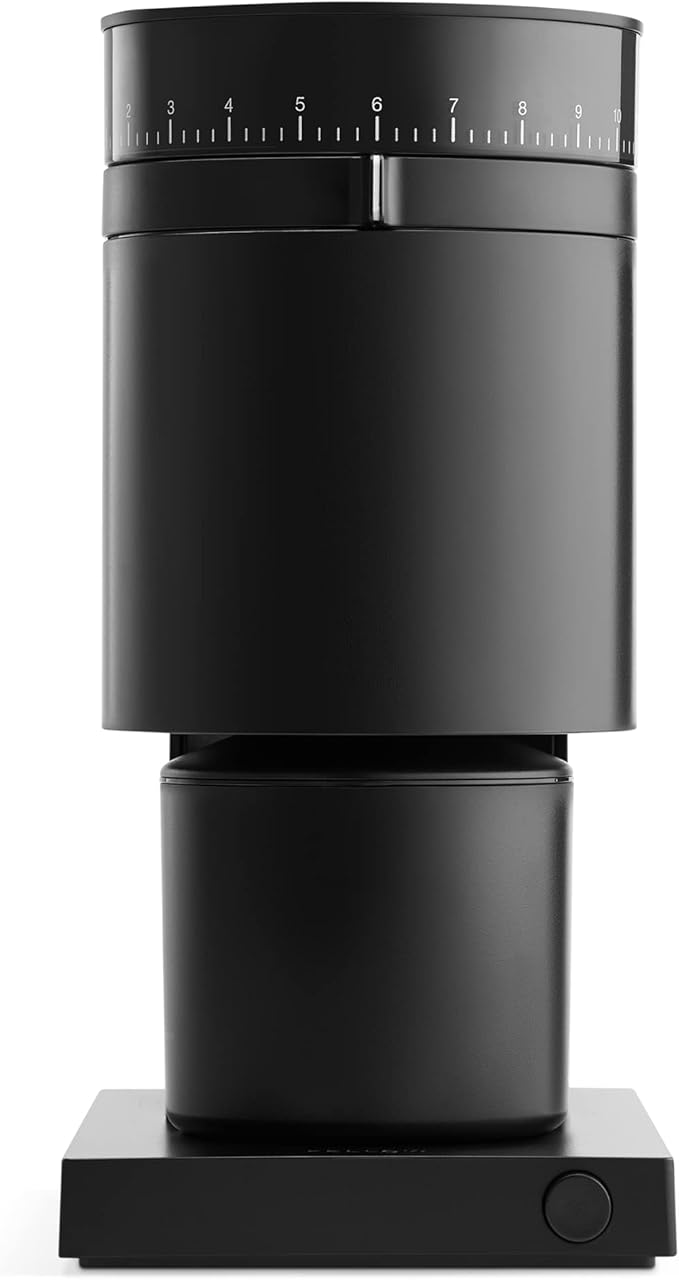
3. Fellow Ode Gen 2 — Modern Design, Serious Performance
Fellow’s Ode Gen 2 reimagines what a drip grinder can be. With flat 64mm burrs and 31 grind settings, it caters to pour-over enthusiasts and drip devotees alike. Watching the Ode Gen 2 in action is almost like watching sports — there is a rhythm and precision to it that is genuinely satisfying. Its low-retention design means less waste and more flavor in every cup.
4. Breville Smart Grinder Pro — The Versatile All-Rounder
The Breville Smart Grinder Pro bridges the gap between drip and light espresso use. With 60 grind settings and a digital display, it is a flexible tool for home brewers exploring multiple brewing methods. Its reputation across exchange communities and user contributions to coffee forums have helped cement it as one of the best starter grinders on the market.
Can One Grinder Do Both? Hot Network Questions Answered
One of the hot network questions in the coffee community is whether a single grinder can handle both espresso and drip coffee. The short answer: it depends. Some grinders — like the Breville Smart Grinder Pro or the Baratza Virtuoso+ — are capable of covering both brew methods with solid performance. However, those who are serious about espresso will almost always find that a dedicated espresso grinder delivers better results.
The reason comes down to design intent. Espresso grinders are built from the ground up to handle the fine end of the grind spectrum. Adapting them to drip is possible, but using a drip grinder for espresso typically results in a loss of precision. This reflects how exact meaning changes when context shifts in a particular discussion: the same grinder in a different brewing context carries different limitations.
Manual Grinders: A Particular Group Worth Considering
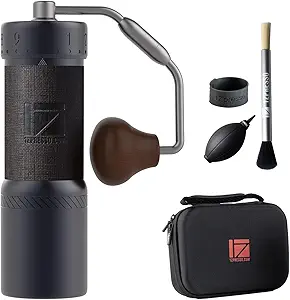
Manual grinders deserve a mention here, particularly for travelers or those seeking a quality entry point without a major investment. Brands like 1Zpresso and Comandante have developed a particular group of hand grinders that rival mid-range electric models in grind quality.
The 1Zpresso JX Pro uses high-quality stainless steel burrs and offers settings precise enough for espresso. The Comandante C40, on the other hand, is often called the Mr. Smith of the manual grinder world — understated, elegant, and absolutely reliable for drip and pour-over brewing. Both are tools that even a native speaker of coffee culture would recommend without hesitation.
Grinder Terminology: Quick Reference for Coffee Learners
For those new to specialty coffee, grinder terminology can feel like studying a new language. Here is a brief reference guide to common terms, presented in a question-and-answer format that makes the subject accessible to English language learners and newcomers to the coffee world alike.
Burr Grinder: A grinder that uses two abrasive surfaces to produce uniform particles. The noun in this context represents the category; the verb describes what it does — grind consistently.
Retention: The amount of ground coffee left inside after use. Low retention is ideal for single-dosing workflows.
Stepless Adjustment: A grind setting system with no fixed steps, allowing for micro-level changes — similar to how an adverb can sit anywhere in a sentence to shift meaning subtly.
Clumping: When ground coffee particles stick together, creating uneven distribution. This is a common challenge with fine espresso grinds.
Maintaining Your Grinder: Keeping It in Top Shape
Regardless of which grinder someone chooses, regular maintenance is essential. Coffee oils accumulate on burrs over time, and stale residue from last year’s grinding sessions can contaminate fresh beans. Even the finest espresso grinder will underperform without proper care.
Most manufacturers recommend a weekly brush-out and a deeper clean monthly. Products like Grindz cleaning tablets offer a quick solution for working through accumulated residue without fully disassembling the machine. Always consult the manufacturer’s online support site for guidance specific to each model. Keeping burrs clean is the equivalent of maintaining clean prepositional phrase structure in writing — it ensures the underlying mechanism functions as intended.
Final Verdict: Making the Right Choice for Your Brewing Style
After working through all of these considerations, the conclusion is clear: the best grinder depends entirely on the brewing method and the priorities of the person using it. Just as a noun phrase and a prepositional phrase each serve different purposes within a complete sentence, espresso grinders and drip grinders serve distinct roles within the coffee ecosystem.
For espresso, precision and consistency are paramount — invest in a dedicated espresso grinder with stepless adjustment and low retention. For drip, reliability and ease of use take center stage. A well-built burr grinder with a practical range of grind settings will serve beautifully for years to come.
Whether someone is building their first home espresso setup or simply looking to elevate their morning drip coffee, the grinders covered in this guide represent the best options the market has to offer. Much like how a second sentence builds upon the first to deepen meaning and context, a great grinder builds upon whatever brewing method it supports — enriching the flavor, elevating the experience, and making every cup worth the effort.
Conclusion
Choosing between an espresso grinder and a drip grinder does not have to feel overwhelming. Armed with the right knowledge — drawn from deep community experience, trusted review sources, and a clear understanding of brewing science — any coffee lover can make a confident, well-informed decision.
From the precision demands of espresso to the gentle flexibility of drip, every cup tells a story. With the right grinder in hand, that story begins with exactly the right first sentence.