 Admin
Admin Introduction: What Does It Mean to Pour Over Coffee?
When someone first encounters the term ‘pour over,’ it might feel like they need to flip open a dictionary or search a browser for its meaning. In the world of specialty coffee, ‘pour over’ is more than just a description — it is both a noun and a verb, a brewing philosophy and a daily ritual. Just as the merriam-webster dictionary defines the word ‘pour’ as a transitive verb meaning to cause something to flow in a stream, the pour over method is exactly that: a careful, intentional stream of hot water flowing over coffee grounds to produce a clean, flavorful cup.
This guide is designed to walk enthusiasts — from curious beginners to experienced home baristas — through everything they need to know about pour over coffee. Whether someone is browsing for their first dripper or looking to refine their technique, this resource covers it all. Think of it as the American heritage of coffee brewing knowledge: rich, layered, and deeply rooted in tradition.
Welcome to The Complete Pour Over Coffee Guide. This guide is designed to walk enthusiasts — from curious beginners to experienced home baristas — through everything they need to know about pour over coffee.
Understanding Pour Over Coffee: Definition and Origin
The Definition of Pour Over
In its simplest form, pour over coffee refers to a manual brewing method where hot water is poured over ground coffee contained within a filter. The liquid then drips through the grounds and filter into a vessel below. As a noun, a pour over can also refer to the device used in this brewing process. As a transitive verb, one pours water deliberately — controlling the stream, the speed, and the direction.
Unlike automatic drip machines, where the process is largely hands-off, pour over brewing invites the brewer to be fully present. Every pour carries meaning. The definitions attached to this brewing style speak to precision, patience, and passion — qualities that coffee lovers across the English language and beyond deeply appreciate.
The Etymology and Word History of Pour Over Coffee
Tracing the etymology of the word ‘pour’ leads back through Middle English, where ‘pouren’ was used to describe liquid flowing from a vessel. Before that, researchers have traced roots through Old French and speculated connections to Latin prō and Latin pōr — prefixes indicating forward motion or flow. Some scholars even draw a link to German Bauer and Dutch origins, though the exact word history remains debated in academic language circles.
The pour over brewing method itself has its own rich origin story. In the 14th century, boiled water poured through cloth filters was the norm in early coffee culture. By the 20th century, innovations from Germany — particularly the invention of the paper coffee filter — revolutionized the method. The Hario V60, a Japanese icon, later emerged as a modern benchmark, beloved by baristas at university coffee labs and independent cafes alike.
Whether one is reading about coffee history in a wall street journal feature, a food media publication, or the american heritage dictionary of culinary terms, the pour over method consistently appears as a cornerstone of specialty coffee culture.
Why Choose Pour Over? Benefits and Synonyms for Great Coffee
What Sets Pour Over Apart
There is a reason pour over coffee has earned such devotion among coffee lovers across many languages and cultures. The method produces a cup that is clean, bright, and full of nuanced flavor — qualities that machine-brewed coffee often struggles to match. For those who have only experienced something like instant coffee or a basic drip brew, the first sip of a well-made pour over can feel like a revelation.
Synonyms for a great pour over include words like ‘refined,’ ‘articulate,’ and ‘expressive’ — terms that, interestingly, apply equally well to great writing and great coffee. Much like the careful selection of words in a word list crafted for language learning, choosing the right beans, grind size, and water temperature each play a vital role in the final cup.
Pour Over Across Different Languages and Cultures
Coffee culture is a global phenomenon, and the pour over method is no exception. In Japanese, the craft is elevated to near-meditative status, with specialized tools and precise pours that reflect the country’s broader philosophy of craftsmanship. In Spanish, the verb equivalent of ‘to pour’ — ‘verter’ — carries the same sense of intentional flow. Arabic coffee traditions, while distinct, share a similarly deliberate approach to the brewing process. In Czech, Turkish, and Romansh-speaking communities, manual brewing methods are experiencing a renaissance as coffee enthusiasts worldwide seek more meaningful, hands-on experiences.
Even among spanish speakers and communities where French por or German techniques have historically dominated kitchen culture, the pour over is earning a permanent place in daily life. Global voices from the specialty coffee world — from Tokyo to Paris, from São Paulo to Berlin — all celebrate the shared vocabulary of quality brewing.
Essential Equipment: Building Your Pour Over Setup
Choosing the Right Dripper
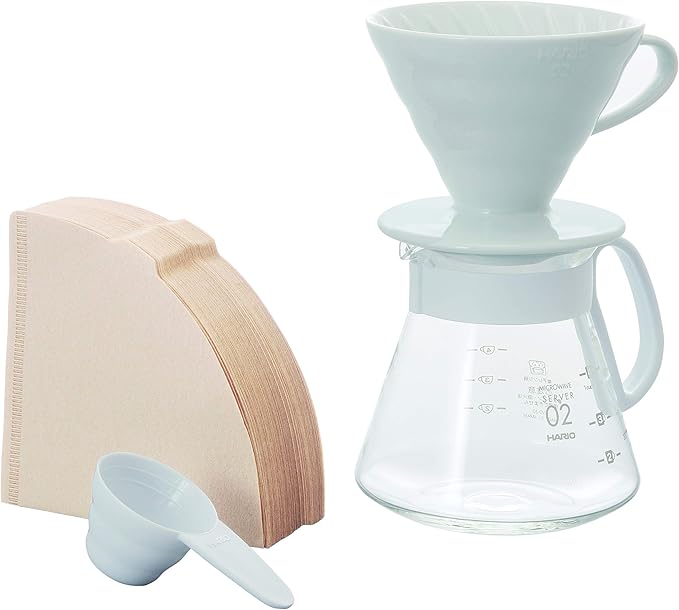
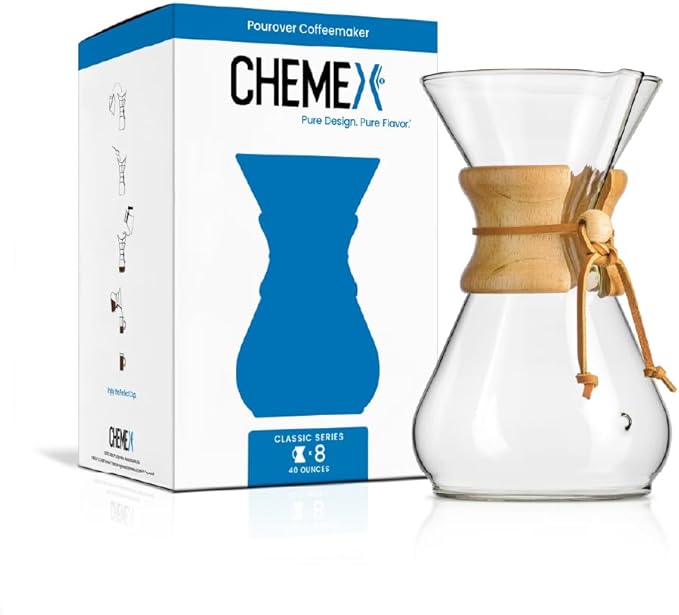
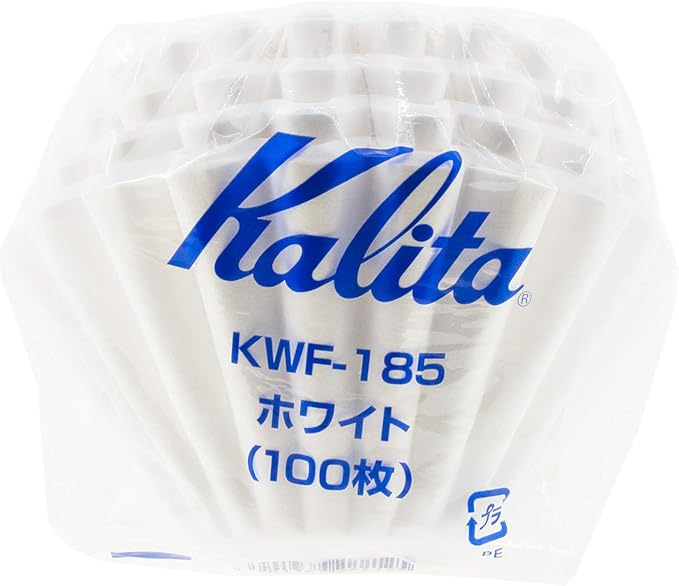
The dripper is the heart of any pour over setup. There are several styles available, each with distinct shapes, materials, and flow rates. The Hario V60 features a conical shape with spiral ridges that direct the liquid downward in a smooth stream. The Chemex, an American classic, doubles as a beautiful serving vessel and is often featured in design publications and media. The Kalita Wave uses a flat-bottomed design that many home brewers find more forgiving for beginners.
Selecting a dripper is not unlike browsing a dictionary for just the right word — each option has a specific meaning, a specific function, and a specific result. Matching the dripper to one’s personal brewing style and skill level makes all the difference.
Filters: Paper, Metal, and Cloth
Filters play a crucial role in pour over brewing. Paper filters, available in bleached and unbleached forms, produce the cleanest cup by trapping oils and fine particles. Metal filters allow more of the coffee’s natural oils to pass through, resulting in a fuller-bodied brew with a slightly different texture. Cloth filters, which echo the heritage of early brewing methods, offer a middle path between the two.
The choice of filter is part of what gives every pour over its unique character. Much like how the pronunciation of a word can shift its entire meaning, the type of filter used can fundamentally alter the flavor profile of the final cup.
The Kettle: A Tool of Precision
A gooseneck kettle is the preferred tool for pour over brewing. Its long, curved spout gives the brewer precise control over the direction and speed of the pour — making it far easier to achieve consistent, circular pours over the coffee bed. This level of control is essential, particularly during the bloom phase and subsequent pours.
Some kettles come with built-in temperature controls, which is a genuine advantage since water temperature has a significant impact on extraction. For most pour overs, water between 90°C and 96°C is ideal — hot enough to extract the full range of flavors without burning the grounds.
Grinders and Beans
Freshly ground coffee is one of the most impactful upgrades any brewer can make. A burr grinder — either hand-cranked or electric — produces a consistent grind size that is essential for even extraction. For pour over, a medium-fine to medium grind is generally recommended, though the ideal setting may vary depending on the specific beans and brewing time.
As for the beans themselves, the list of options is vast and exciting. Single-origin coffees from Ethiopia, Colombia, Guatemala, and beyond each bring their own flavor idioms to the cup — fruity, floral, chocolatey, nutty — that reveal themselves more fully through the pour over method than through almost any other brewing technique.
The Pour Over Process: Step-by-Step Brewing Guide
Preparing to Brew: Ratios and Measurements
Before the first pour, preparation is everything. The standard coffee-to-water ratio for pour over is approximately 1:15 to 1:17 — meaning for every gram of coffee, 15 to 17 grams of water. For a single serving of about 300ml, roughly 18 to 20 grams of ground coffee works well as a starting point.
Using a kitchen scale removes the guesswork and allows the brewer to replicate a successful cup day after day. Consistency in measurements is as important in brewing as it is in language — small changes in the definition of a word or small changes in the brew ratio can produce very different results.
The Bloom: The First Pour
The bloom is one of the most important and visually satisfying steps in pour over coffee. When hot water first contacts freshly roasted coffee grounds, carbon dioxide trapped within the beans is released, causing the coffee bed to puff up and bubble dramatically. This process is called degassing.
To initiate the bloom, the brewer pours a small amount of water — typically twice the weight of the coffee — evenly over the grounds. The water should saturate the entire bed without overflowing. The brewer then waits approximately 30 to 45 seconds before continuing. This pause allows the gases to escape and ensures more even extraction during the main pours that follow.
The Main Pour: Technique and Flow
After the bloom, the main pour begins. There are several approaches: a single continuous pour, a series of controlled pulse pours, or a combination of both. In each case, the goal is to keep the water level relatively stable above the coffee bed while maintaining a gentle, circular pour that wets the grounds evenly.
The brewer acts almost like an intransitive verb in this moment — not acting upon something external, but simply allowing the process to unfold. The water flows, the grounds bloom, and the liquid filters through at its own pace. The total brew time for most pour overs falls between 2.5 and 4 minutes, depending on the grind size, dose, and dripper used.
Finishing the Brew and Serving
Once all the water has passed through the grounds and the dripping has slowed to a stop, the brew is complete. The spent grounds and filter are removed and discarded, and the coffee in the vessel below is ready to enjoy. At this point, many pour over enthusiasts take a moment to appreciate the aroma before the first sip — a ritual that honors the effort that went into every pour.
Pour over coffee is typically served without milk or sugar, allowing the natural flavors of the beans to speak for themselves. However, there are no rigid rules. Much like language itself, coffee is a living, evolving form of expression — open to personal interpretation and individual style.
Troubleshooting Common Pour Over Problems
Coffee Tastes Too Bitter
If the cup tastes overly bitter, over-extraction is likely the cause. This happens when water spends too much time in contact with the coffee grounds, pulling out harsh, unpleasant compounds alongside the desirable flavors. The fix is usually to coarsen the grind, reduce the brew time, or lower the water temperature slightly. Learning to read the signs of over-extraction is a skill that develops with practice — much like learning the many forms of a verb or the subtler meanings of words in a new language.
Coffee Tastes Too Sour or Weak
On the opposite end, a sour or under-extracted cup typically means the water passed through the grounds too quickly, without pulling out enough of the coffee’s desirable compounds. A finer grind, a slightly slower pour, or a higher water temperature can correct this. Sometimes even the water itself is the culprit — using filtered water with a balanced mineral content makes a meaningful difference in extraction quality.
Uneven Extraction
If the coffee grounds appear unevenly wet after brewing — with dry patches or clumps — the pour technique needs adjustment. A more deliberate, circular pouring motion helps ensure all of the grounds receive equal exposure to water. Some brewers use a small spoon to gently stir the grounds during the bloom to improve saturation before the main pours begin.
Pour Over Coffee Around the World: A Global Perspective
The American Tradition
In the United States, pour over coffee has become synonymous with the third-wave coffee movement — a cultural shift that prioritizes quality, origin, and craft above all else. Publications like the wall street journal and houghton mifflin harcourt-published food guides have documented the rise of pour over culture in cities from New York to Portland. The american heritage of coffee drinking, once defined by diner-style drip coffee, has been transformed by a new generation of baristas and home brewers passionate about their craft.
Japanese Precision
Japan’s contribution to pour over culture is immeasurable. The Hario V60 — born from a Tokyo glass company — became a global standard. Japanese pour over technique is characterized by slow, deliberate pours and careful attention to every detail. Many of the most influential pour over tutorials available in multiple translations around the world trace their roots back to Japanese coffee culture.
European Influences
European coffee culture, particularly from Germany and France, has long influenced manual brewing methods. The paper filter, invented by Melitta Bentz in Dresden in the early 20th century, is arguably the most significant innovation in pour over history. French coffee traditions, meanwhile, brought a different sensibility — the appreciation for rich, full-flavored brews that balance strength with elegance, much like the way French etymology enriches the english language with nuance and depth.
Emerging Markets and New Movements
From Latin America to Southeast Asia, pour over coffee is part of a new movement reshaping local coffee cultures. In Colombia and Ethiopia — two of the world’s most celebrated coffee-producing countries — farmers and roasters are increasingly connecting directly with consumers, bypassing traditional intermediaries. This shift echoes what happened in the political world when a former pequiste or any grassroots organizer launches a new movement: change begins at the roots and spreads outward through the work of passionate individuals.
Home rss feeds and specialty coffee blogs now carry pour over content translated into dozens of languages, supporting learning and discovery for enthusiasts in every corner of the globe. Free translation tools make it easier than ever for a coffee lover in Turkey or a barista in Brazil to access pour over knowledge originally written in English, Japanese, or German — bridging the gap between languages and communities.
Leveling Up: Advanced Pour Over Techniques
Temperature Profiling
Advanced brewers experiment with water temperature throughout the brewing process. Starting with slightly cooler water during the bloom and gradually increasing the temperature with each subsequent pour can yield a more nuanced extraction. This technique requires careful attention and a temperature-controlled kettle, but the results — a cup with greater complexity and balance — are often worth the extra effort.
Bypassing for Larger Volumes
Bypass brewing involves brewing a concentrated pour over and then diluting it with additional hot or cold water to reach the desired final volume. This technique is particularly useful when brewing for multiple people, as it allows for a larger yield without sacrificing the quality of the extraction. The concept of bypassing is a kind of transitive sense applied to volume rather than flavor — the brewer acts on the concentrated liquid to transform it into something new.
Experimenting with Grind Size and Ratios
One of the most rewarding aspects of pour over brewing is the ability to fine-tune every variable. Small adjustments — a slightly finer grind here, a few extra grams of coffee there — can unlock entirely new dimensions of flavor in the same bag of beans. Keeping a brew log is highly recommended: recording the grind size, ratio, water temperature, total brew time, and tasting notes for every session creates a personal dictionary of brewing knowledge that grows richer with every cup.
Pour Over for Kids and New Learners
Pour over coffee is not just for seasoned coffee veterans. With the right guidance and age-appropriate involvement — such as helping measure beans, fill the kettle, or observe the bloom — even kids can begin to appreciate the science and craft behind a great cup of coffee. Many specialty coffee roasters and cafes now offer tasting and brewing classes specifically designed to support learning at all levels, from curious beginners to those preparing for barista certification.
For new learners, the process of mastering pour over coffee is similar to learning a new language. At first, the vocabulary is unfamiliar — bloom, extraction, TDS, bypass — but with consistent practice and a willingness to experiment, the definitions become second nature. Over time, what once required careful thought becomes intuitive, flowing as naturally as water through freshly ground coffee.
Choosing the Right Beans: Building Your Personal Word List of Flavors
Every coffee has its own flavor profile — a list of tasting notes that describe what the brewer and drinker experience in the cup. Just as a word list helps language students build vocabulary, keeping track of flavor experiences helps coffee lovers develop their palate and make better bean selections over time.
Light roasts tend to highlight bright, fruity, and floral notes — often described using words like ‘jasmine,’ ‘peach,’ or ‘blackcurrant.’ Medium roasts balance brightness with body, frequently earning descriptions like ‘caramel,’ ‘hazelnut,’ or ‘milk chocolate.’ Dark roasts lean into bold, smoky, and bitter notes, which some drinkers prefer for their intensity and depth.
Single-origin coffees are particularly well-suited to pour over brewing because the method’s clean extraction showcases the unique character of each origin. A natural-process Ethiopian coffee brewed as a pour over can taste almost like fruit juice, bursting with berry and citrus notes. A washed Colombian, by contrast, might present a clean, balanced cup with subtle sweetness and a pleasant acidity.
Exploring the world of coffee origins is an adventure — one that never truly ends. There is always something new to discover, whether it is a micro-lot from a small cooperative in Rwanda, a natural-process bean from a heritage farm in Yemen, or an experimental variety grown at a high-altitude farm in Panama.
Sustainability and the Future of Pour Over Coffee
As pour over coffee culture continues to grow, so does the conversation about sustainability. The single-use paper filters that make pour over so convenient also generate waste — a trade-off that many environmentally conscious brewers are eager to address. Reusable metal and cloth filters offer a more sustainable alternative, and several innovative companies are developing compostable filter options that minimize environmental impact without sacrificing cup quality.
Beyond the filters, sustainability in pour over coffee extends to the entire supply chain. Supporting roasters who pay fair prices to farmers, who use transparent sourcing practices, and who invest in the communities where their coffee is grown helps ensure that the pour over tradition has a future as rich and vibrant as its past.
Conclusion: Every Day Is a Good Day for Pour Over
Pour over coffee is more than a brewing method — it is a practice of presence, precision, and appreciation. Every day that someone prepares a careful pour over, they are participating in a tradition that connects them to coffee farmers, roasters, and fellow enthusiasts around the world. The ritual of the pour — the bloom, the stream, the wait, the reward — is one of the simplest and most satisfying pleasures life has to offer.
Whether someone is just beginning their pour over journey or has been perfecting their technique for years, there is always more to learn, more to taste, and more to enjoy. Like any living language — whether English, French, German, Japanese, Spanish, Turkish, Arabic, Czech, or Romansh — pour over coffee is always evolving, always offering new forms, new idioms, and new meaning to those willing to explore it with an open mind and an empty cup.
So the next time life calls for a moment of calm in a busy day, consider reaching for the gooseneck kettle, measuring out fresh grounds, and experiencing the quiet magic of a pour over. It is, without question, one of the most rewarding ways to start any day.