 Admin
Admin Finding the right budget espresso makers and machine without stretching the monthly budget too far is a challenge many coffee lovers face. Whether someone is working through a tight budget plan, juggling living expenses, or simply trying to be smart about spending habits, there are genuinely excellent espresso makers available in the $200 to $500 price range. This guide walks through everything a buyer needs to know — from choosing the best machine to understanding why a higher price tag does not always mean a better cup of coffee.
What Is the Best Budget Espresso Makers and Machine?
When money goals are centered around smart spending rather than overspending, it helps to know which machines deliver real value. The best budget espresso machines manage to balance cost, durability, and brew quality without requiring buyers to dip into their emergency fund or rack up credit card debt.
Some top contenders in the $200–$500 range include:
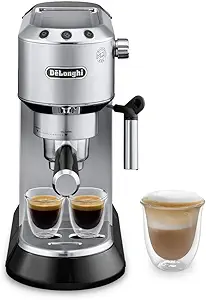
- De’Longhi Dedica EC685 (~$200–$250): Compact and sleek, ideal for home use with a small footprint. Great for beginners who want espresso without the complexity.
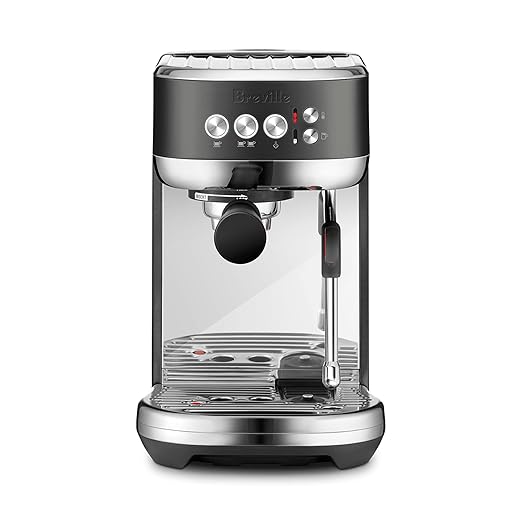
- Breville Bambino Plus (~$300): Features automatic steam wand and fast heat-up time. A smart pick for those who want café-quality drinks at home.
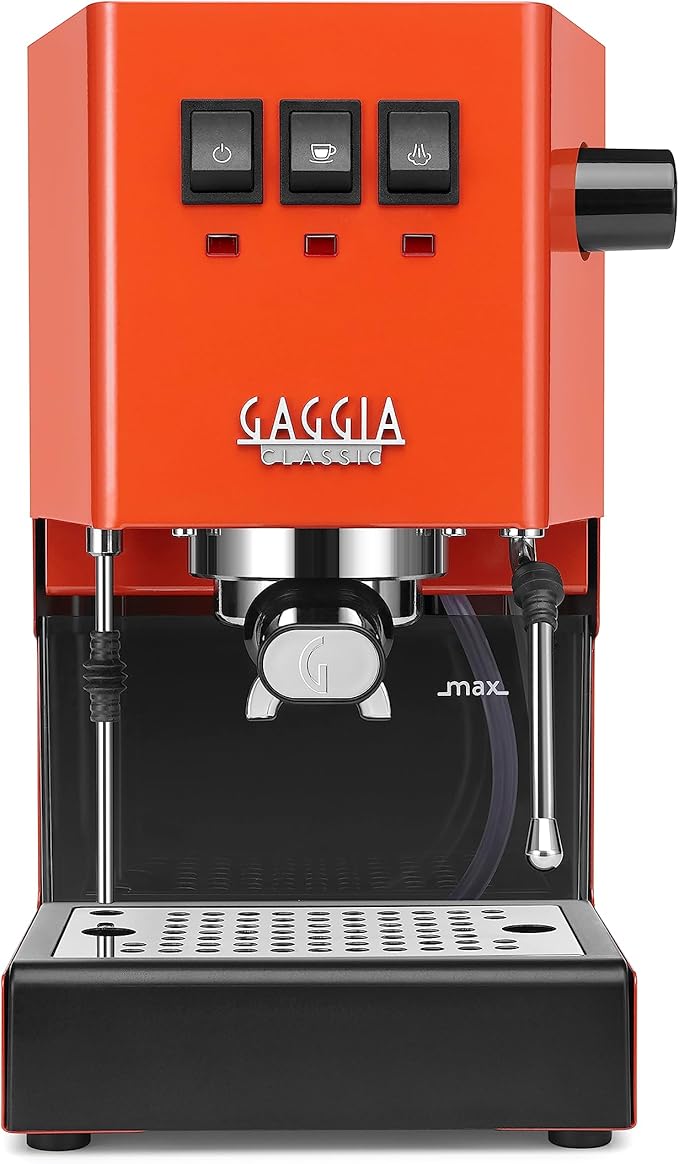
- Gaggia Classic Pro (~$450): A beloved machine among home baristas. Durable, upgradeable, and built to last years — making it one of the best long-term investments for the dollar.
Each of these machines fits neatly within a personal budget framework. When someone reviews their expense categories and determines how much money they can comfortably allocate to a coffee setup, these options stand out as sensible choices that do not compromise on quality.
What Is the Rule for Espresso?
Espresso follows a well-known set of standards sometimes referred to as the “Golden Rule” of espresso. The traditional guideline calls for approximately 7–9 grams of finely ground coffee extracted in 25–30 seconds, producing around 25–35ml of espresso. This is often called the 1:2 ratio — one part coffee to two parts liquid output.
Understanding this rule helps buyers make better decisions when selecting a machine. A good budget espresso maker should be capable of reaching and maintaining proper extraction pressure (around 9 bars) and temperature stability throughout the pull. These technical factors matter as much as the price tag.
Sticking to these parameters is the first step toward consistently great espresso at home. Just as financial freedom comes from following a sound budgeting process, espresso mastery comes from following the fundamentals and tracking results over time.
What Is the 15 Rule for Coffee?
The “15 rule” for coffee, sometimes referenced in specialty coffee circles, suggests that coffee should ideally be consumed within 15 minutes of brewing to enjoy peak flavor. Espresso in particular degrades very quickly once pulled, and leaving it to sit for even a few minutes can result in a noticeably less enjoyable cup.
Similarly, pre-ground coffee loses most of its flavor within 15 minutes of grinding, which is why pairing an espresso machine with a grinder is so important for serious home baristas. For anyone investing real money into their home setup, understanding and respecting these time rules ensures that every dollar spent on quality coffee beans actually pays off.
What Is the Best Reasonably Priced Coffee Maker?
Not everyone is exclusively after espresso. For those who want a versatile machine capable of brewing various styles without blowing the monthly income on a single purchase, there are several strong options:
- Nespresso Vertuo Plus (~$150–$200): Pod-based convenience with surprisingly decent crema. Low maintenance, consistent results.
- Hamilton Beach Espresso Maker (~$100–$130): A solid entry-level choice for low income households or those new to espresso who want to test the waters without a heavy financial commitment.
- Cuisinart EM-100 (~$170–$200): Feature-packed for the price, with programmable settings and a stainless steel exterior.
Thinking about a coffee maker purchase the way one would approach a monthly budget — identifying essential expenses, prioritizing needs over wants, and keeping an eye on the rate of return on spending — leads to smarter buying decisions. The tools available to modern consumers, from budget apps to budget planner worksheets, can help keep the full home setup cost in perspective.
Do Cheap Coffee Makers Make Good Coffee?
This is one of the most common questions from buyers trying to stretch every dollar. The short answer is: it depends. A cheap machine will not produce the same results as a professional-grade setup, but with the right technique and quality beans, it can still produce a surprisingly enjoyable cup.
The key factors are pressure, temperature consistency, and the quality of the coffee itself. Even an affordable machine — say, in the $100–$150 range — can make decent espresso when paired with freshly ground, high-quality beans. In fact, spending more on better coffee than on the machine is a strategy many baristas recommend for those working with a limited amount of cash.
The method matters just as much as the equipment. Tamping pressure, grind size, and the quality of the water all influence the final cup. Treating the brewing process with the same care one brings to tracking spending habits or managing debt can make a real difference in the results.
Is It Worth Buying an Expensive Coffee Machine?
For those weighing the expense of a premium machine against their financial goals, the math can actually be compelling. Consider someone who spends $5–$7 each day at a café. Over a month, that adds up to $150–$210. Over a year, those bills at the coffee shop can exceed $2,500.
Investing $400–$500 in a quality espresso machine at home, combined with even a modest savings in daily coffee spending, can put someone on the path to financial freedom faster than they might expect. It is a bit like the logic behind zero-based budgeting — every dollar is assigned a purpose, and redirecting cash from café visits toward a quality home setup is a legitimate way to reduce living expenses over time.
Whether someone is working with a zero-based budget, a personal budget, or simply trying to stay on the same page with a partner about financial priorities, a mid-range espresso machine often pays for itself within a year. From a personal finance perspective, this is a smart way to control expenses and still enjoy the things that make life better day to day.
Factors to consider before buying expensive include the loan or mortgage situation, child care costs, fuel, and other surcharges that affect the monthly budget. Tools like Quickbooks or TurboTax can help visualize how a large purchase fits into the bigger financial picture.
What Is the Best Cheap Coffee Brand?
The machine is only half the equation. Great espresso starts with great coffee. Fortunately, there are quality budget-friendly coffee brands available at any grocery store that perform well in an espresso machine.
Some fan favorites include:
- Lavazza Super Crema: A crowd-pleasing blend with a rich, smooth body. Affordable and widely available.
- Illy Classico: Consistent, well-balanced, and a step above typical grocery store brands.
- Café Don Pablo Subtle Earth: Organic, low-acidity blend that works beautifully with budget espresso machines.
- Death Wish Coffee: Bold and strong, a good paycheck-stretching choice for those who prefer intense espresso.
Using a coupon code when buying coffee online or in bulk can reduce the cost of living impact of daily espresso. Many online retailers offer promotional deals that, combined with a coupon, bring the price of premium beans well within reach of even a tight monthly budget.
Which Is the No. 1 Coffee Brand?
By global sales and recognition, Nescafé often tops the charts as the world’s best-known coffee brand. However, in the specialty and espresso world, Illy and Lavazza consistently receive top marks from professional baristas and home users alike. For home espresso specifically, the top brands that earn consistent praise include Lavazza, Illy, and Stumptown — brands that offer the kind of quality that makes spending the extra few dollars genuinely worthwhile.
Just as The Ramsey Show often points out that prioritizing value over prestige leads to smarter financial decisions, the same applies to coffee. The No. 1 brand for any individual is ultimately the one that delivers the best taste for the amount of money they are comfortable spending.
Which Coffee Machine Is Best for Home With a Grinder?
For those who want to book online and order a complete setup that includes both an espresso machine and a grinder, there are a few outstanding combos within the $400–$500 budget range.
Best Espresso Machine + Grinder Combos Under $500
- Breville Barista Express (BES870XL, ~$500): An all-in-one machine with a built-in conical burr grinder. This is the gold standard for home baristas who want everything in one unit. Freshly ground beans are dosed directly into the portafilter, eliminating extra steps and preserving flavor.
- Gaggia Classic Pro + Baratza Encore Grinder (~$450–$500 combo): Separating the grinder and the machine allows for more flexibility and often produces better results. Both devices are considered entry-level professional tools.
- De’Longhi La Specialista Arte (~$500): A gorgeous machine with an integrated grinder, smart tamping station, and manual milk frothing. A good pick for those who want the complete café experience at home.
Having a grinder at home is essentially the same thing as taking control of a key variable. In the same way that a printable budget planning template gives structure to financial goals, a dedicated grinder gives the home barista control over the single most impactful element in coffee quality — the grind.
What Is the Best Coffee for Beginners?
Beginners often feel overwhelmed by the sheer number of options available. The best approach is to start simple, keep the method consistent, and gradually experiment once the basics are in place.
For beginner espresso, medium roasts are the most forgiving. They are less bitter than dark roasts and more flavorful than light roasts, making them ideal for learning. Popular beginner-friendly options include Lavazza Gran Espresso, Peet’s Espresso Forte, and Counter Culture’s Apollo blend.
Spending a few minutes each morning dialing in the grind and tasting the results is the best way to improve quickly. Keeping a simple log — similar in spirit to tracking expenses in a budget template — helps identify what works and what does not. Over time, this kind of intentional practice builds skill faster than any amount of reading.
Budgeting Tips for Your Espresso Machine Purchase
Approaching the purchase of an espresso machine the same way one approaches a major financial decision leads to better outcomes. Here are some practical tips:
Set a Clear Budget Plan
Before browsing, it helps to determine a specific dollar amount that feels comfortable given current income and monthly expenses. Using the 50-20-30 method as a guide — allocating 50% to needs, 20% to savings, and 30% to wants — a coffee machine typically falls into the “wants” category. However, if it replaces significant café spending, it can functionally reduce essential expenses over time.
Use a Budget App or Budget Planner
Budget apps and online budget tools make it easy to see how a one-time purchase affects the broader financial picture. Whether someone is managing vacation expenses, car payments, or mortgage obligations, having a clear account of where money goes each month makes it easier to justify or postpone purchases without guilt.
Look for a Coupon or Promotional Code
Many retailers offer discount codes when customers book online or sign up for email lists. A valid coupon code can reduce the total amount owed significantly — sometimes by $30–$60 on mid-range machines. Checking platforms like WalletHub or deal-tracking sites before making any purchase is a good habit for budget-conscious shoppers.
Consider Financing Carefully
Some retailers offer financing options, and platforms like SoFi provide personal loans for large purchases. However, financing a $300–$500 espresso machine accrues interest and increases the total cost. For anyone focused on paying down debt or managing a budget deficit, paying cash upfront is usually the smarter move. Credit cards with cash-back or rewards — when paid off in full each month — can be a way to earn something back on the purchase without incurring interest charges.
Plan for the Total Cost of Ownership
The machine itself is not the only expense to account for. Coffee beans, a grinder (if not built-in), descaling solution, and replacement parts should all factor into the monthly budget. Estimating these ongoing costs and adding them to a budget template before purchasing is a smart first step toward staying on track financially.
Final Thoughts: Making the Smart Choice Today
Whether someone is pulling their first shot of espresso or upgrading from an old drip machine, the $200–$500 budget range offers genuinely excellent options. The key is aligning the purchase with broader financial goals — treating it not as an impulsive expense but as a thoughtful decision that improves daily life without derailing financial freedom.
The same discipline that makes someone great at managing money — tracking spending, prioritizing savings, using a plan, and sticking to a method — applies beautifully to becoming a better home barista. Start with a machine that fits the budget, invest in quality beans, learn the fundamentals, and enjoy the process. The best espresso machine is always the one someone will actually use every single day.
With the right machine on the counter, the right beans in the grinder, and a little patience in the process, there is no reason why an at-home espresso cannot rival what any café charges by the cup. And that, from a personal finance perspective, is a genuinely smart way to spend money.
Step up to prosumer“: if you want more control, look at Turin.