 Admin
Admin Few debates spark as much passion among coffee enthusiasts as the manual vs. automatic espresso makers and machine discussion. Whether someone is setting up a home kitchen or stocking a professional coffee bar, choosing the right equipment can define the entire brewing experience. This guide explores both sides of the coin — covering everything from the pros and cons of manual espresso machines to the lifespan of automatic coffee machines — so readers can make a confident, well-informed decision tailored to their unique preference.
Understanding the Two Types of Espresso Machines
Before diving into the debate, it helps to understand what separates these two categories of household appliances. Espresso machines, like many kitchen appliances, come in a wide spectrum of designs — from sleek, fully-automated devices to entirely hand-operated tools. At their core, the difference lies in how much control the user exercises over the brewing process and the overall coffee experience.
Manual Espresso Machines
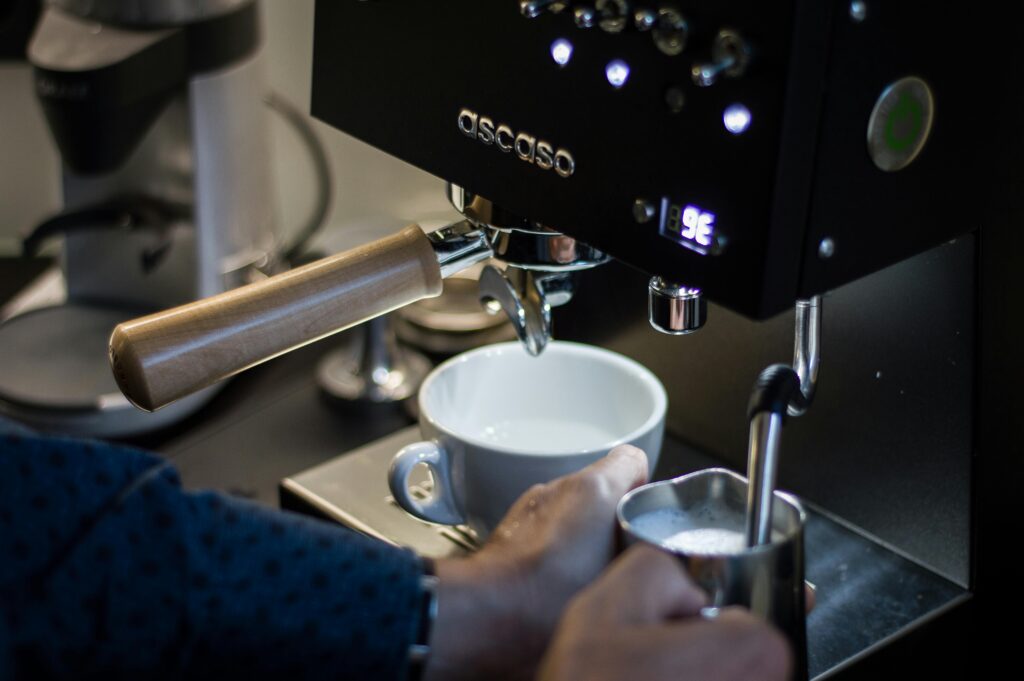
Manual espresso machines put full control in the hands of the user. Every shot requires the operator to manage the grind, the tamp, the water temperature, and the pressure — often using a lever or piston. Think of it like using power tools rather than automated machinery: more skill is required, but the results can be exceptionally precise and rewarding once the technique is mastered.
Automatic Espresso Machines
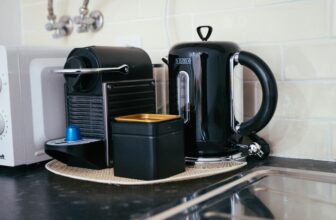
Automatic and super-automatic machines handle much of the brewing process on their own. With pre-programmed default settings, built-in grinders, and one-touch brewing, these machines operate more like a computer or communications device — offering a consistent, repeatable experience with minimal effort. They are popular in both home kitchens and commercial environments where speed and consistency are priorities.
Which Is Better — An Automatic or Manual Espresso Machine?
The answer depends entirely on personal preference. There is no one-size-fits-all product support solution for every coffee lover, because brewing is deeply personal. Someone who enjoys the ritual of hands-on cooking and craftsmanship will likely gravitate toward a manual machine, while someone who prioritizes convenience — especially in a busy household — will appreciate the automated approach.
Manual machines reward patience and practice. Automatic machines reward consistency and ease. The best choice comes down to what matters most in a user’s daily coffee experience.
Pros and Cons of Manual Espresso Machines
Advantages of Going Manual
Manual espresso machines offer several compelling benefits. First, they provide unmatched control over every brewing variable. Users can fine-tune each shot to their exact preference — something no automatic machine can fully replicate. Second, these machines tend to be more durable. Because they have fewer electronic components, they often last significantly longer than their automatic counterparts, similar to how simple garden or marine equipment outlasts complex outdoor power tools. Third, many enthusiasts find the manual process meditative and enjoyable, turning morning coffee into a meaningful ritual rather than just another routine.
Disadvantages of Manual Espresso Machines
The learning curve is the biggest hurdle. Pulling a quality shot on a manual machine takes practice, study of user manuals, and a willingness to fail and adjust. These machines also demand more time, which is not ideal for users who need espresso quickly. Additionally, consistency can be harder to maintain, as each shot depends heavily on the skill and technique of the person behind the machine.
What Are the Disadvantages of Automatic Coffee Machines?
While automatic espresso machines are incredibly convenient, they do come with trade-offs. One of the most common complaints is the lack of customization. Default settings are designed for the average user, which means coffee connoisseurs may find them limiting. Automatic machines are also complex pieces of equipment — closer in engineering to a phone or computer than a simple appliance — which means they can be more expensive to repair when something goes wrong.
Maintenance is another drawback. Automatic machines often require descaling, cleaning of milk frothers, and periodic servicing — similar to how laundry appliances or other household equipment demand regular care. Finally, the upfront cost of high-quality automatic machines can be significant, though the investment often pays off for users who value convenience above all else.
Does Starbucks Use Automatic Espresso Machines?
Yes — Starbucks primarily uses automatic espresso machines in its stores, most notably the Mastrena brand, a super-automatic machine developed exclusively for the chain. This choice aligns with Starbucks’ operational model: serving thousands of customers daily requires speed, consistency, and reliability. Automatic machines help baristas focus on customer service rather than manually managing every espresso shot.
This is a practical business decision, not necessarily a statement about coffee quality. Many specialty coffee shops, by contrast, prefer manual or semi-automatic machines to highlight the craft and skill of their baristas and to serve a helpful community of discerning coffee drinkers who value the artisan experience.
What Is the Healthiest Method of Coffee Making?
Espresso — whether made manually or automatically — is generally considered one of the healthier coffee brewing methods. Because the brewing time is short, espresso produces less cafestol (a compound that can raise LDL cholesterol) compared to French press or boiled coffee. Both manual and automatic espresso machines deliver a relatively clean, concentrated shot.
From a health perspective, the type of machine matters less than the quality of the coffee used and whether milk-based drinks are consumed in moderation. Using fresh, high-quality beans and avoiding excessive sugar — whether brewing indoors or setting up an outdoor cooking station — will make a bigger difference than any machine choice.
What Type of Espresso Machine Is Best?
There is no single best espresso machine — only the best machine for a specific user’s needs. Here is a general breakdown by user type:
- Beginners and busy households: A semi-automatic or fully automatic machine provides structure while still producing quality espresso.
- Coffee enthusiasts and hobbyists: A semi-automatic or lever machine offers the hands-on experience that passionate home baristas crave.
- Professional and high-volume settings: Super-automatic machines that handle thousands of shots without significant manual intervention are the go-to choice.
- Portability seekers: Compact manual devices are great for travel, outdoor cooking setups, or camping — anywhere a portable media or power source is available.
How to Choose a Manual Espresso Machine
Selecting the right manual espresso machine involves several important considerations. Thinking through these factors carefully — much like configuring the default settings on a new device — will help users find a machine that truly fits their lifestyle.
1. Budget
Manual machines range from affordable entry-level models to high-end artisan machines worth several thousand dollars. Setting a clear budget before shopping makes the decision much more manageable.
2. Brewing Mechanism
Manual machines come in lever-operated, piston-driven, and stovetop varieties. Each requires a different skill level. Reading free user manuals and product documentation online before purchasing is strongly recommended.
3. Build Quality and Materials
Since manual machines are expected to last many years, build quality is critical. Stainless steel bodies, brass groupheads, and solid boilers are signs of durable equipment. Think of it like selecting quality garden or marine equipment — the upfront investment in good materials pays off over time.
4. Maintenance and Repair
Manual machines generally require simpler care. Look for machines with accessible parts and strong manufacturer support. A helpful community of users on coffee forums and product support sites can also be invaluable for troubleshooting and tips.
5. Accessories and Compatibility
Consider whether the machine is compatible with preferred grinders, tampers, and other coffee tools. Some enthusiasts track brewing data using apps on their phone or computer, turning espresso into a data-driven hobby. Others prefer third party accessories to enhance their setup for photography, video documentation, or simply to tailor the work to their own preferences.
How Long Do Manual vs Automatic Espresso makers and Machines Last?
One of the biggest advantages of manual espresso machines is their longevity. With proper care, a well-built manual machine can last anywhere from 20 to 30 years — and some vintage lever machines are still producing excellent espresso after half a century. This is a stark contrast to many modern kitchen appliances, which may need replacement within a decade.
Consistent maintenance is the key. Regular descaling, replacing worn seals, and keeping the machine clean will extend its life significantly. Much like maintaining lawn and garden equipment or outdoor cooking tools, a small investment of time in routine care goes a long way toward preserving performance and protecting the investment.
What Is the Lifespan of an Automatic Coffee Machine?
Automatic espresso machines typically have a shorter lifespan compared to manual ones, generally ranging from 5 to 15 years depending on brand, build quality, and maintenance habits. Higher-end automatic machines with commercial-grade components can last longer, but electronic parts — from circuit boards to display screens — are often the first to fail.
Like any consumer electronics product, the lifespan of an automatic machine is heavily influenced by how often it is used and whether it receives proper service and support. Following the manufacturer’s recommended care routines, using filtered water, and scheduling periodic professional servicing can add years to the machine’s operational life.
What Is the 30-Second Rule for Espresso?
The 30-second rule is one of the most widely cited espresso brewing guidelines. It states that the ideal espresso shot should extract in approximately 25 to 30 seconds from the moment the pump starts — or from when the lever is pressed on a manual machine. A shot that extracts too quickly tends to be under-extracted and sour, while one that takes too long can be over-extracted and bitter.
On a manual machine, hitting this window consistently is a matter of skill and practice. On an automatic machine, the settings can be adjusted to reach this target reliably. Either way, understanding this rule is essential for anyone serious about their brewing experience — and it is a great starting point before attempting any further customization.
What Is the 2:1 Rule for Espresso?
The 2:1 rule refers to the brew ratio — the relationship between the amount of dry coffee used and the liquid espresso produced. A classic espresso ratio is 1:2, meaning that for every gram of dry coffee, two grams of liquid espresso should be produced. For example, using 18 grams of coffee should yield approximately 36 grams of espresso in the cup.
This ratio can be adjusted based on personal taste. A 1:1.5 ratio produces a ristretto (more concentrated), while a 1:3 or 1:4 ratio gives a lungo (more diluted). Understanding and applying the 2:1 rule is especially valuable for manual machine users. Many baristas now use a digital scale connected to their phone or computer to track these numbers with precision during each brewing session.
Manual vs. Automatic: A Side-by-Side Comparison
To summarize the key differences, here is a quick breakdown across the most important categories:
- Control and Customization: Manual machines win here, offering full command over every brewing variable. Automatic machines use default settings that work well for most users but limit fine-tuning.
- Ease of Use: Automatic machines are far more user-friendly. Manual machines require dedication and practice — and a willingness to work through user manuals and trial and error.
- Consistency: Automatic machines deliver more consistent results shot after shot, especially beneficial in high-volume settings. Manual machine consistency depends on the user’s skill.
- Durability and Lifespan: Manual machines, with fewer electronics, typically outlast automatic machines by a wide margin when properly maintained.
- Cost: Entry-level manual machines can be very affordable. Total cost of ownership — factoring in repairs and eventual replacement — tends to favor manual machines over time.
- Maintenance: Both types require regular care. Automatic machines have more complex components that may need professional service. Manual machines are simpler to service, and free manuals are widely available to help users handle basic repairs themselves.
Final Thoughts: Choosing the Right Espresso Experience
At the end of the day, the choice between a manual and automatic espresso machine is a deeply personal one. It comes down to what users value most in their daily coffee ritual — precision and craft, or convenience and consistency. Both types of machines can produce exceptional espresso when used correctly, and both benefit from a strong, helpful community of enthusiasts offering support and guidance online.
For those who love the meditative process of hand-crafting each shot — who enjoy the tactile satisfaction similar to working with power tools or musical equipment — a manual machine is a wonderful investment. For those who want reliable, delicious espresso at the touch of a button — whether in a busy home kitchen, a shared office with a preference center for different coffee styles, or a commercial café setting — an automatic machine is hard to beat.
Whichever path is chosen, understanding the basics — like the 30-second rule, the 2:1 brew ratio, and the importance of consistent care — will make a significant difference in every cup. Great espresso is not just about the machine. It is about the knowledge, passion, and care that goes into the first party experience of brewing something truly excellent.
if you are looking for reliable performance on a budget, check out our top picks for the best espresso machines under 200$-500$